When wildlife moves in
Coordinated wildlife help for homes that need calm, careful field work.
Field & Habitat connects property owners with independent providers for inspection-led removal, exclusion, cleanup planning, and prevention after raccoon, squirrel, bat, bird, skunk, snake, or other nuisance wildlife activity.
First things first
Not every noise in a wall needs the same response.
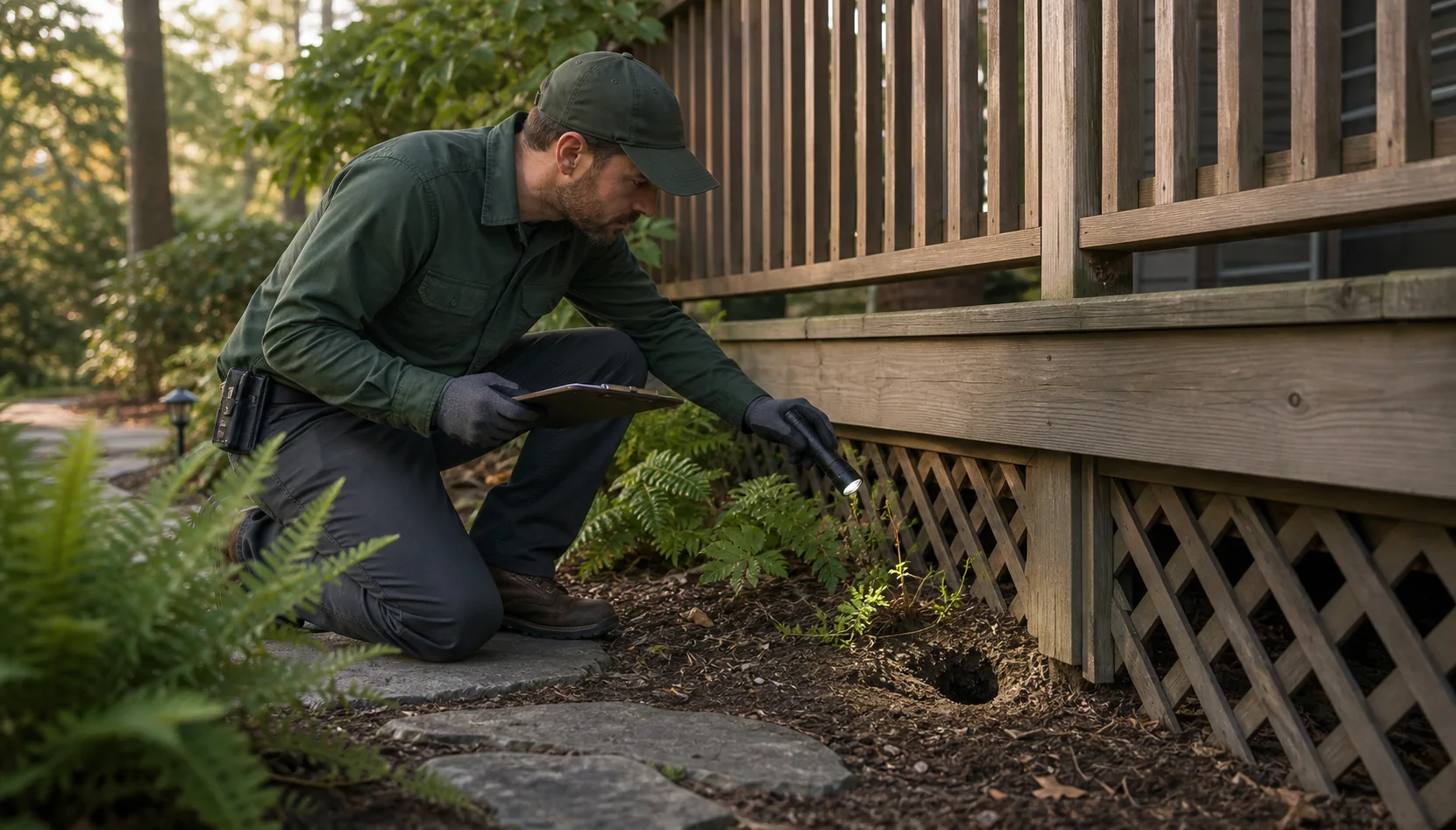
The site is built around matching the problem to the right field discipline: humane removal, exclusion repair, attic or crawlspace remediation, bird and bat building control, odor-source investigation, or urgent inspection intake.
The right kind of help
Grouped by how wildlife problems are actually solved.
Each group has a dedicated detail page with methods, materials, tools, preparation, and standards.
From sighting to next step
A cleaner path from first sighting to confirmed scope.
Document
Photos, sound timing, room location, exterior clues, and animal description are gathered.
Triage
Urgency, access, pets, tenants, roof height, and safety concerns are sorted before dispatch.
Match
Independent providers confirm availability, service type, scope, pricing, and requirements.
Verify
Entry points, exclusion needs, cleanup notes, and follow-up steps are documented.
Built to keep animals out
Field work should look deliberate, not improvised.
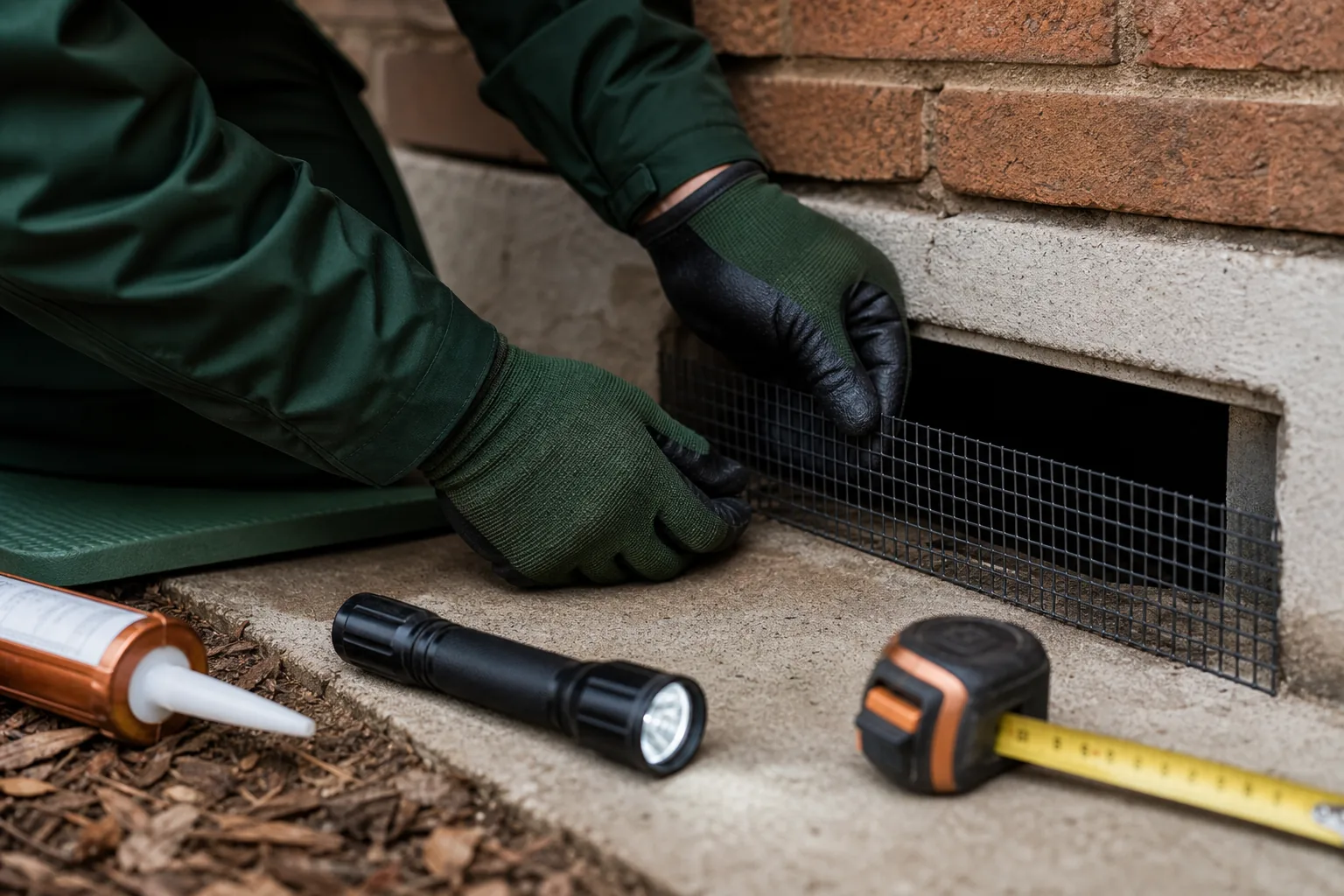
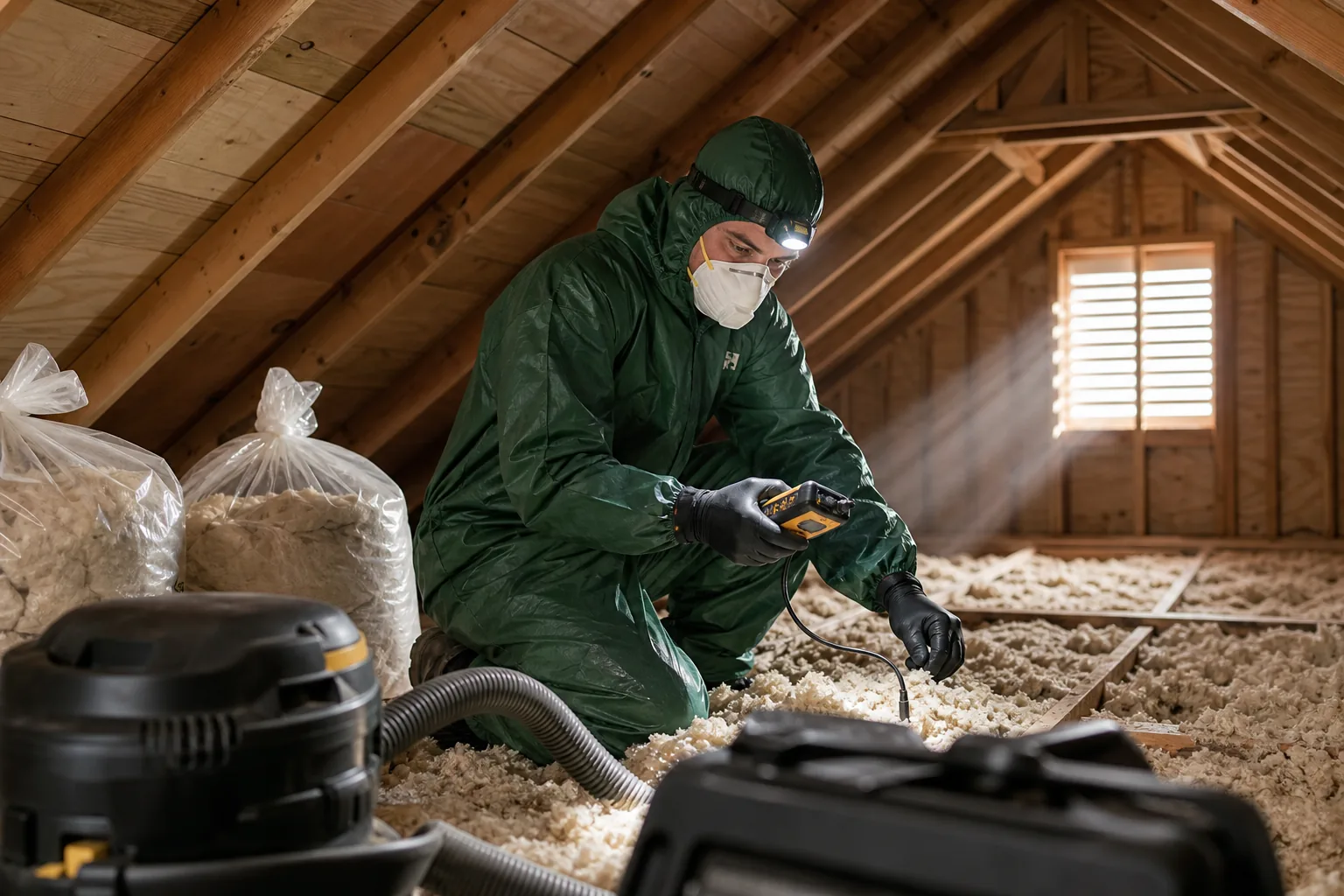
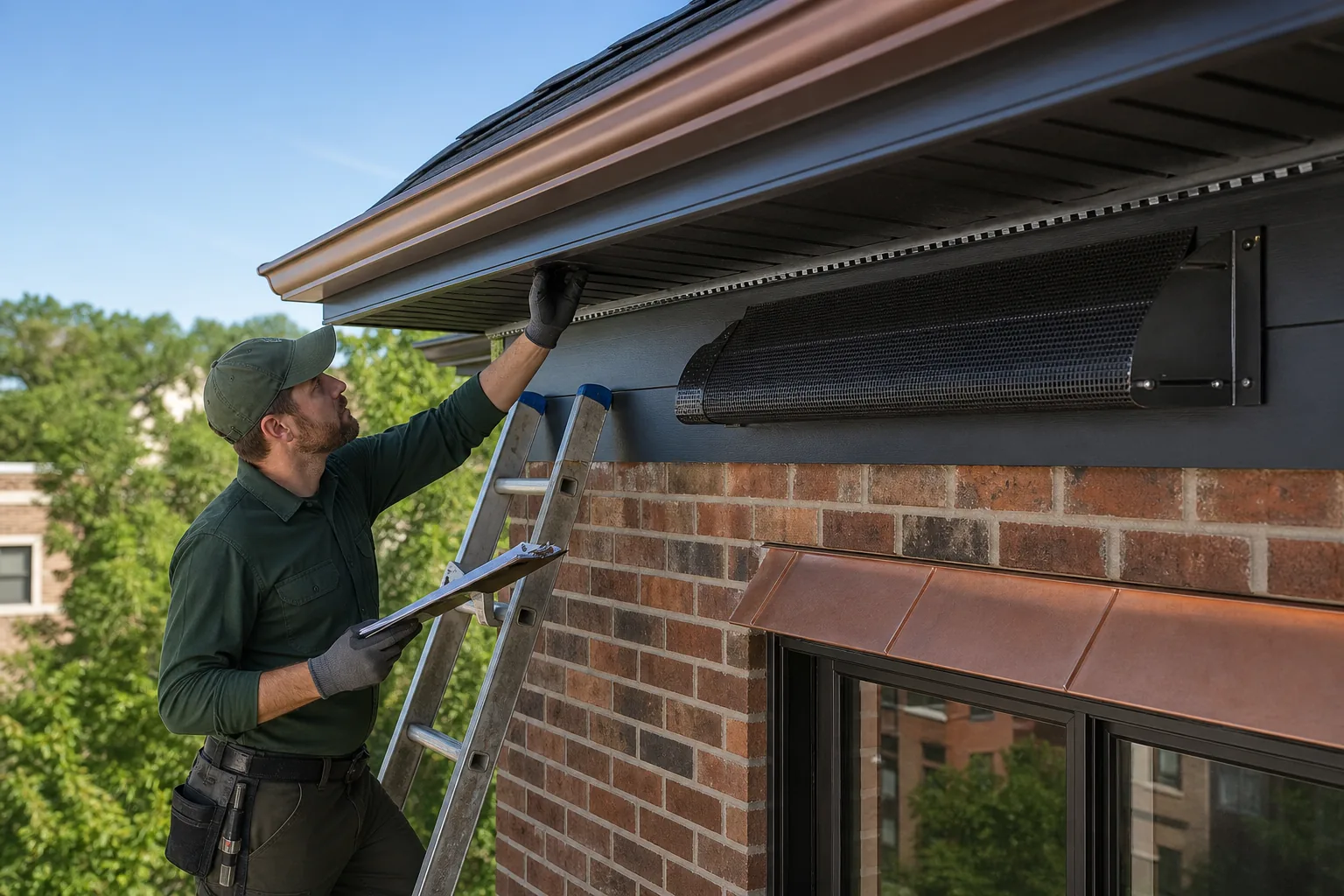
Providers may use inspection mirrors, cameras, ladders, PPE, one-way devices, galvanized mesh, vent guards, sealants, disinfectants, HEPA equipment, and odor-control materials depending on the confirmed scope.
- Entry-point mapping
- Species-sensitive removal plan
- Exclusion before cosmetic repair
- Photo documentation
- Cleanup and odor notes
- Provider-confirmed warranty terms
What the work may call for
Tools are matched to the building condition.
A premium wildlife site should explain what the work involves without turning the page into a cluttered parts catalog.
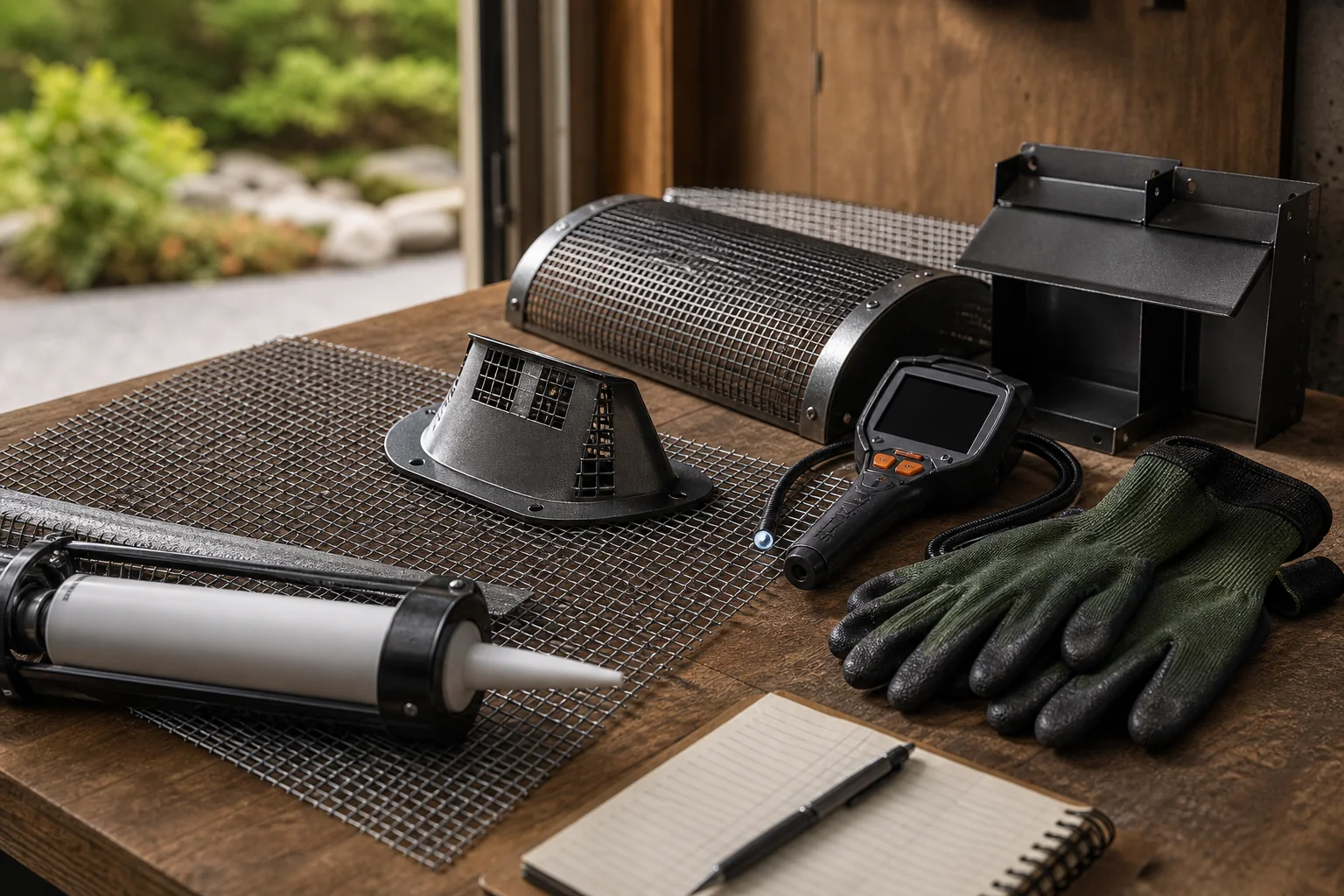
Wall voids, soffits, vents, attic corners, and tight crawlspace locations.
Mesh, guards, one-way exits, fasteners, sealants, and surface-specific parts.
Thermal review, access checks, sealed handling, and neutralization planning.
PPE, HEPA vacuums, containment bags, disinfectants, and air movement.
What homeowners notice
Built for real calls, not generic pest-control copy.
The intake language stays practical: noises, damage, odors, droppings, sightings, access, timing, and the level of urgency.
Evening or dawn sounds often require roofline and soffit inspection before removal decisions.
Interior sightings need calm containment guidance and provider availability checks.
Odor source work depends on access, safe removal, neutralization, and ventilation.
Season, species, roost location, and legal restrictions can shape the service plan.
Clear roles, calmer decisions
Clear coordination, provider-confirmed field work.
Field & Habitat does not guarantee a provider's licensing, pricing, response time, warranty, or result. The independent provider confirms all service details directly with the property owner before work begins.
Need help sorting the next step?
Send photos, describe the activity, and request provider coordination.