Exterior and interior inspection
Providers may inspect roof edges, soffits, fascia, vents, chimney caps, foundation gaps, crawlspace doors, deck voids, utility penetrations, and interior rooms where activity was reported.
Around the house
Coordinated inspection and provider matching for nuisance wildlife activity around roofs, soffits, foundations, decks, garages, sheds, crawlspaces, and living areas.
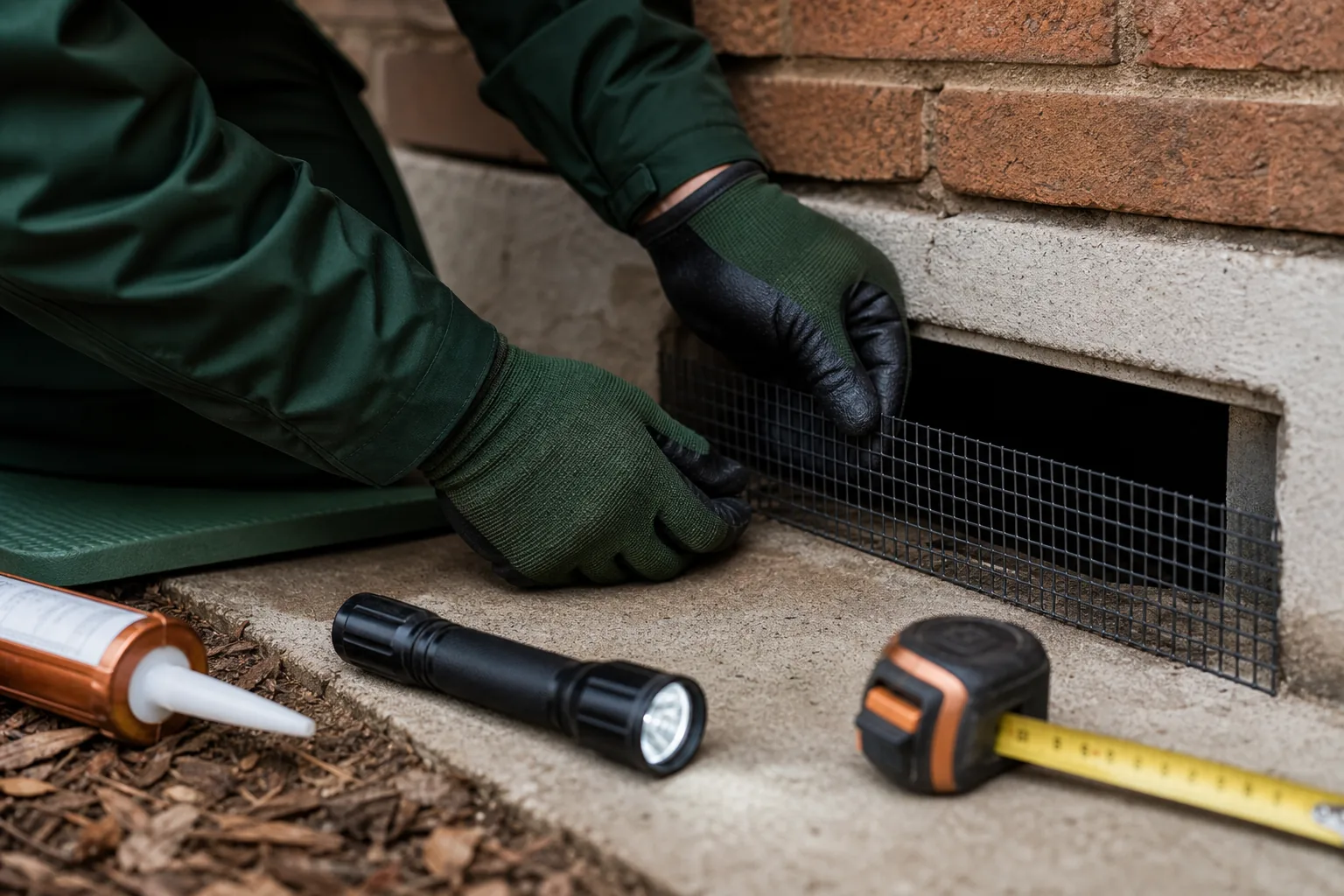
Providers may inspect roof edges, soffits, fascia, vents, chimney caps, foundation gaps, crawlspace doors, deck voids, utility penetrations, and interior rooms where activity was reported.
When appropriate, independent providers may use hands-on removal, live-capture equipment, controlled access procedures, or species-sensitive relocation/disposition practices permitted in the area.
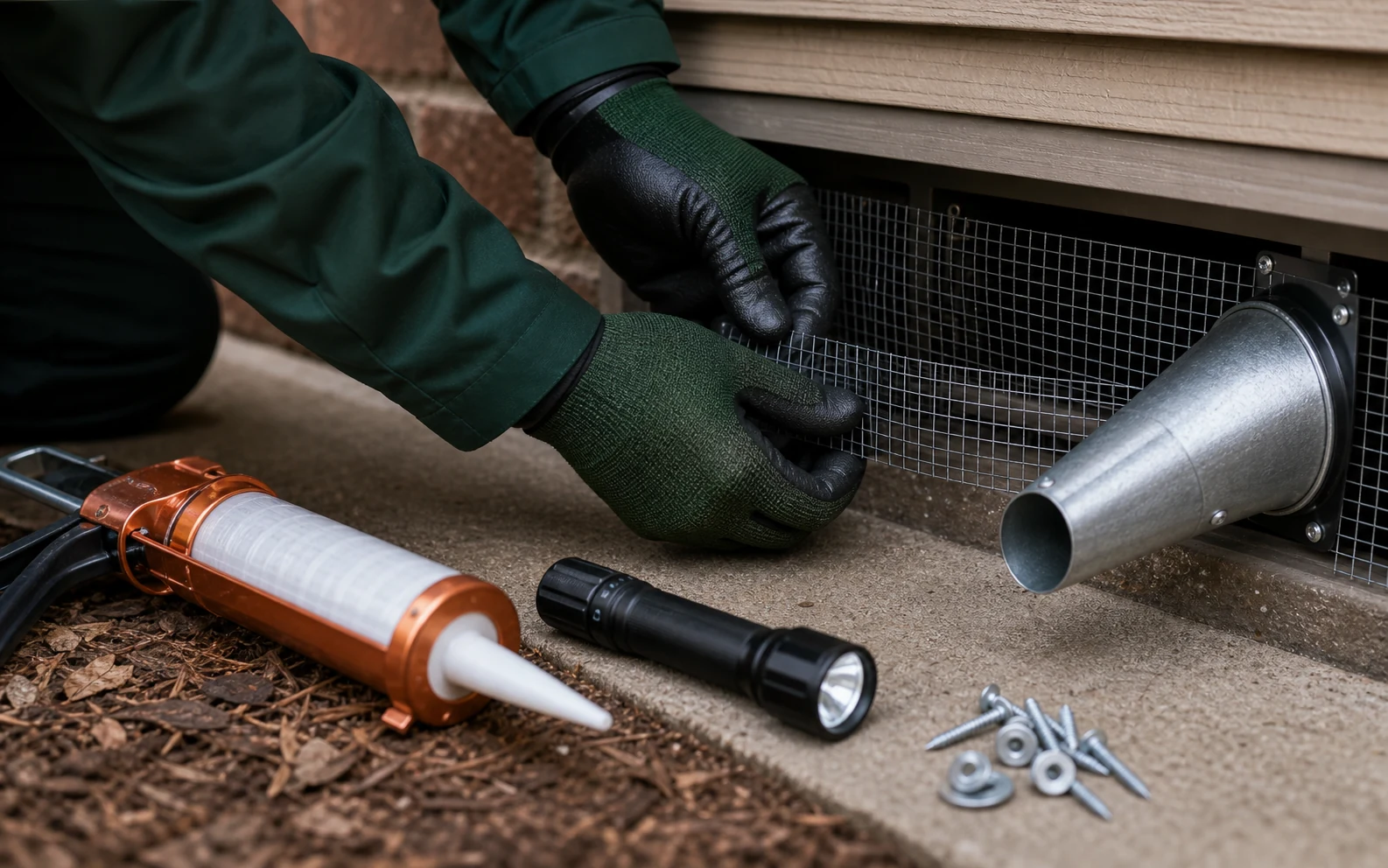
Common methods include one-way doors, galvanized steel mesh, vent guards, hardware cloth, fasteners, sealants, and selective repairs that close access after animals are no longer inside.
Providers may document tree overhangs, loose fascia, open vents, compost or trash attractants, deck burrows, roofline gaps, and moisture conditions that can invite repeat activity.
Animals this page helps sort
Photos of the animal are useful, but photos of the entry area matter just as much. Species, season, young animals, and access height can all change whether a provider recommends capture, one-way exclusion, monitoring, or repair-first planning.
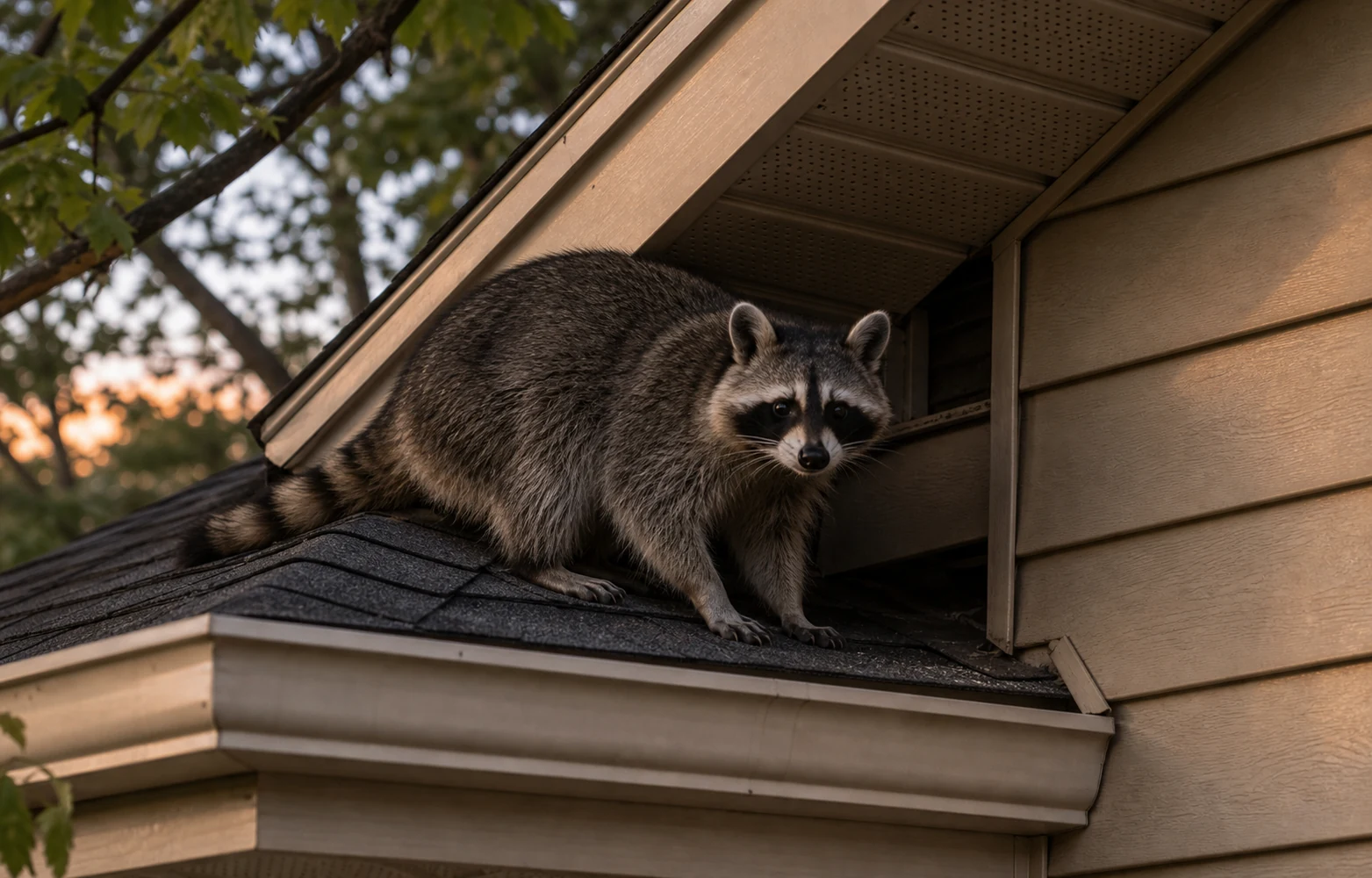
Raccoons often use roof returns, soffits, chimneys, attic vents, and loose fascia. Heavy movement at night, thumping above ceilings, torn vents, and large droppings can point providers toward roofline inspection.
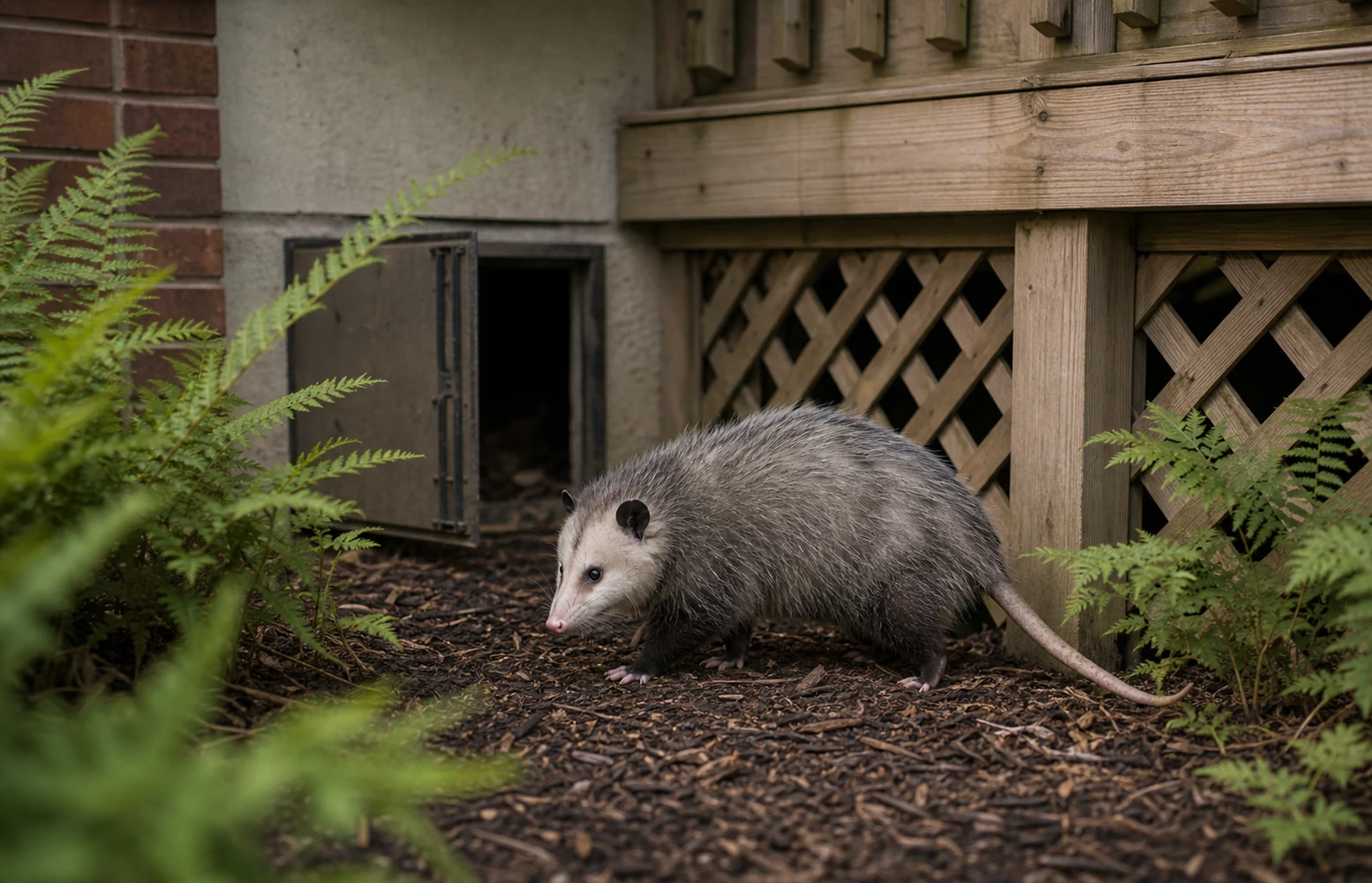
Opossums are often reported around crawlspaces, decks, sheds, garages, and foundation gaps. They may be transient, so providers usually confirm whether there is an active route, denning behavior, odor, or repeated sighting.
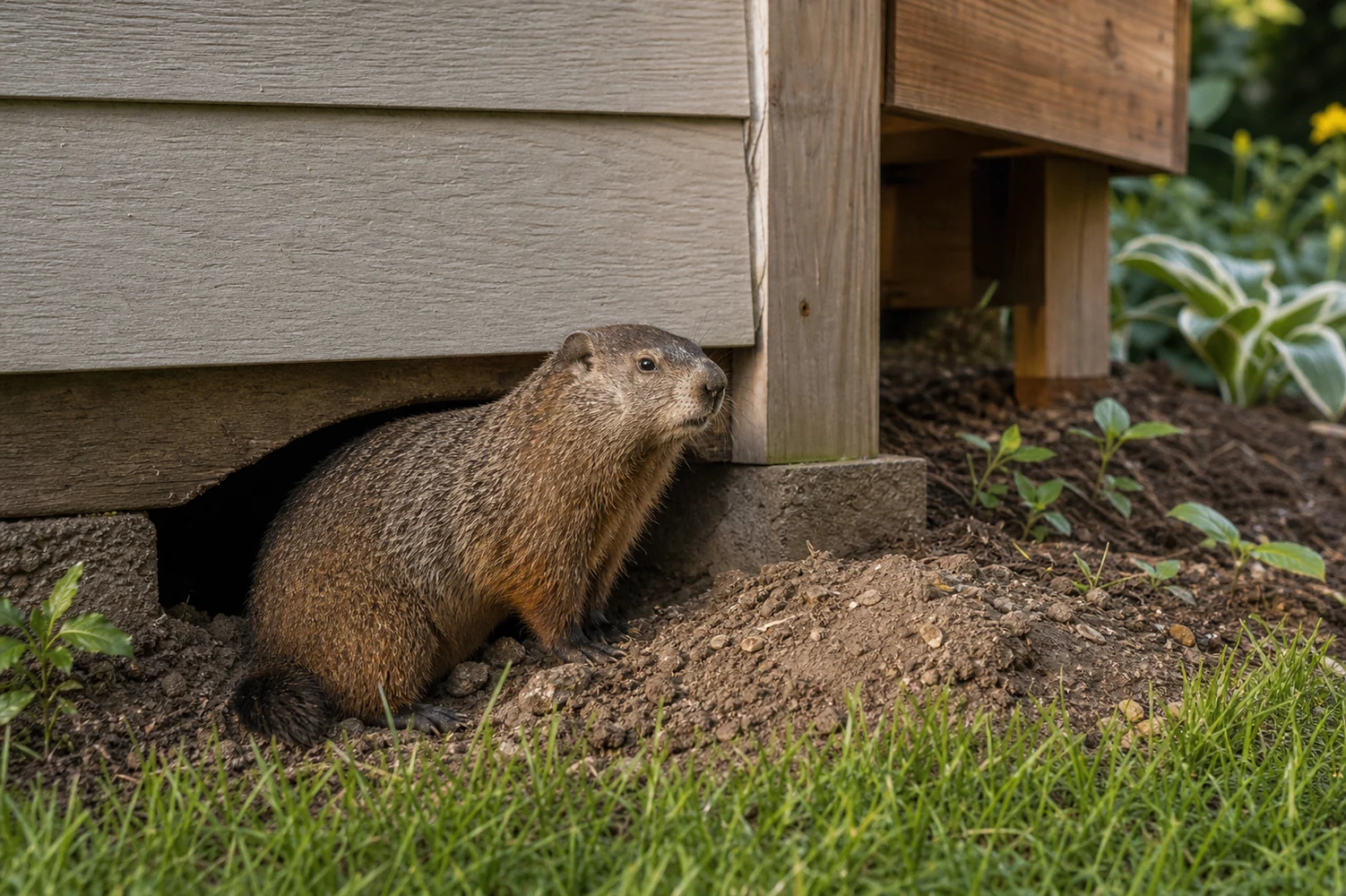
Ground-level animals can undermine sheds, decks, stoops, and planting beds. Providers may need to distinguish a shallow shelter from an active burrow system before recommending exclusion, fill work, or prevention.
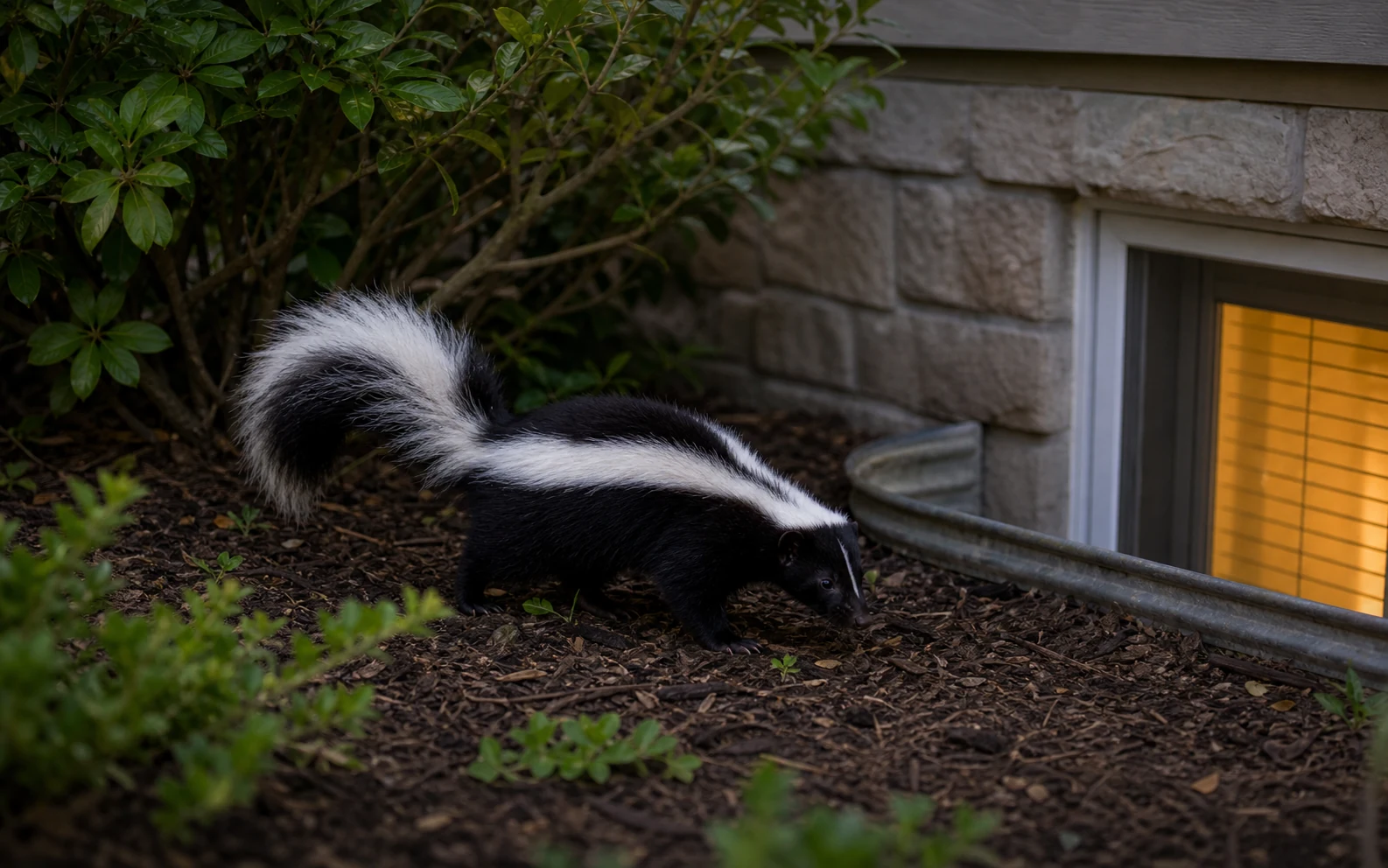
Skunk calls often involve odor, window wells, under-porch spaces, foundations, and pets. The safest intake focuses on location, repeated timing, and whether the animal is trapped or simply passing through.
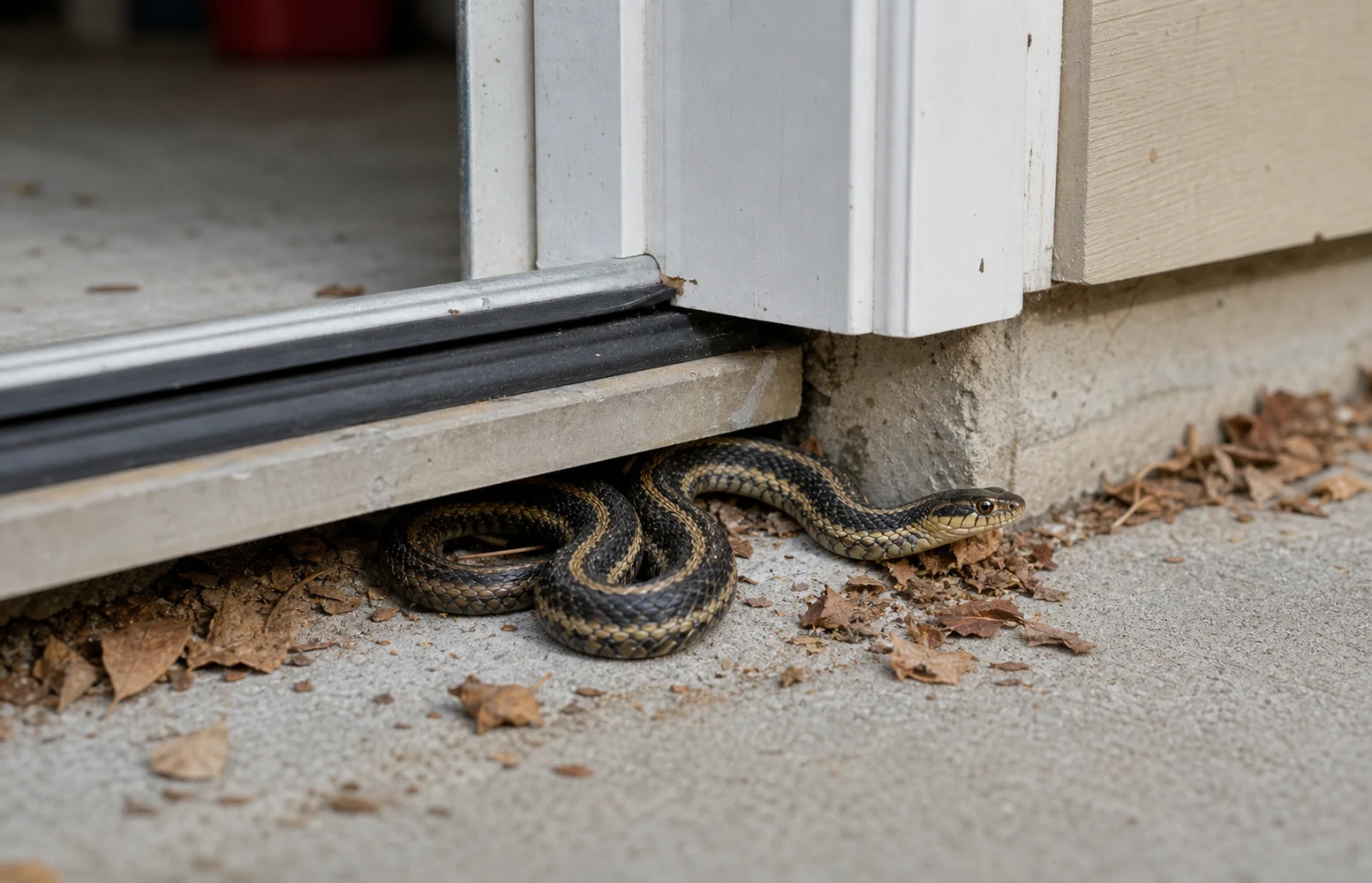
Snake reports are usually about identification and safe access. Providers may ask where it entered, whether the animal is contained, and whether gaps around garage thresholds, vents, or doors should be reviewed.
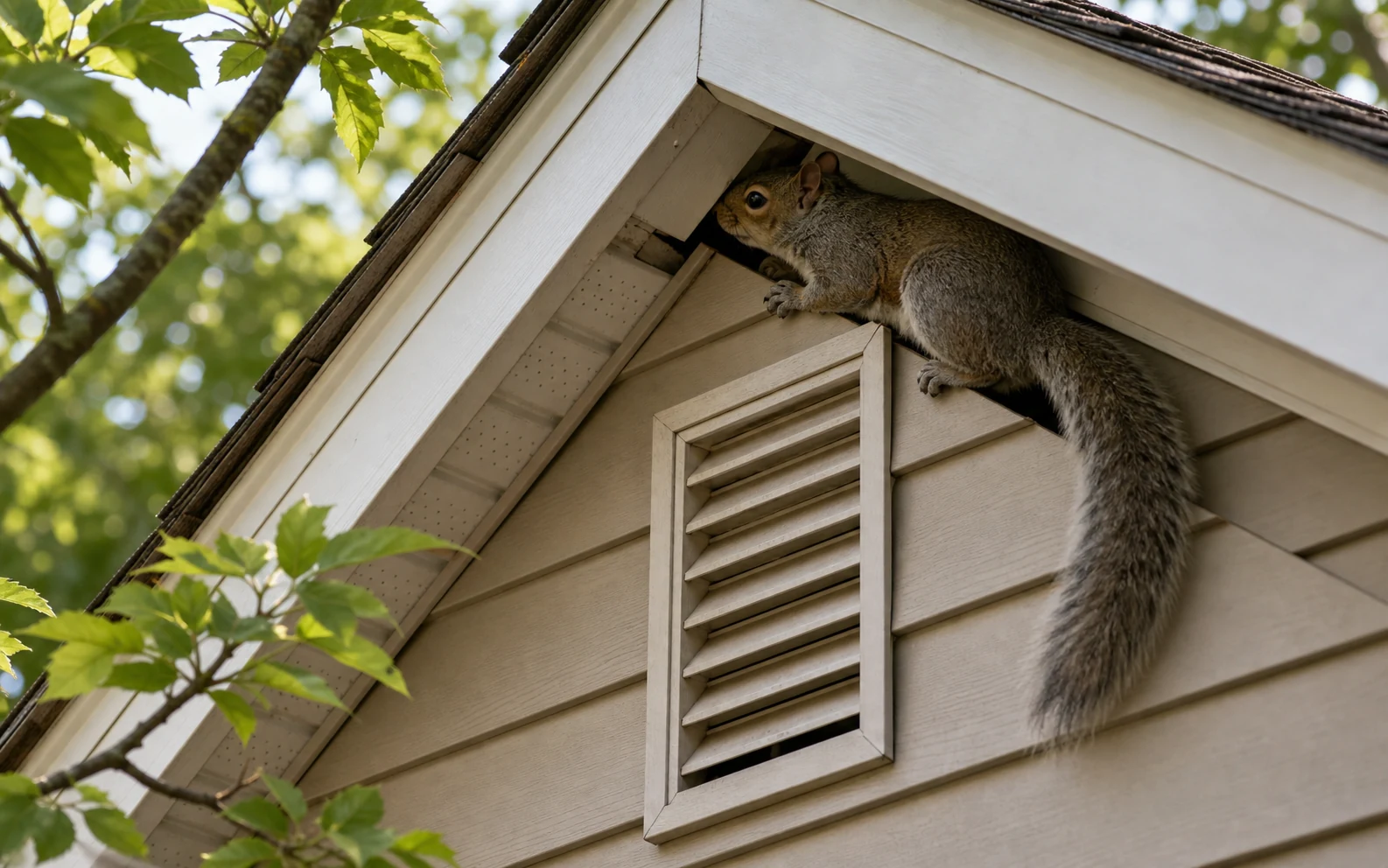
Squirrels use small roofline openings, gable vents, fascia gaps, and tree access. Repeated daytime activity, chewing sounds, and visible travel paths can shape the inspection and exclusion plan.
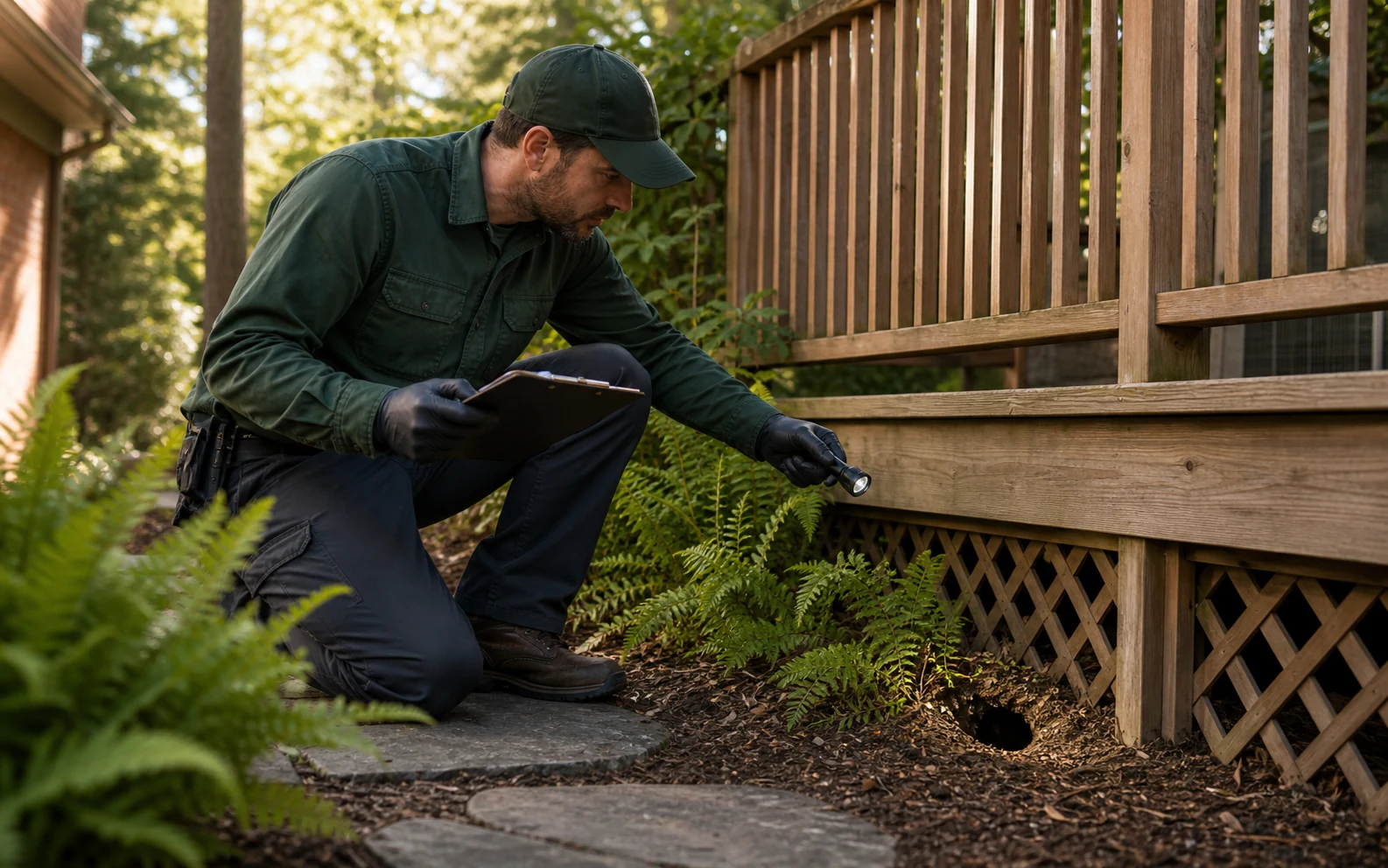
What providers look for
A provider may need to connect animal behavior with building details: how the animal reached the opening, whether young may be present, whether a one-way device is appropriate, and which materials can close the route without trapping wildlife inside.
Rub marks, loose fascia, lifted vents, soil displacement, droppings, and repeated travel paths.
Roof pitch, crawlspace clearance, deck height, attic entry, pets, gates, and utility locations.
Exclusion, material selection, cleanup notes, and photo verification after the active issue is addressed.
From sighting to sealed route
Wildlife problems around a home are rarely solved by removing one animal and leaving the structure unchanged. Providers typically compare the reported activity with roof edges, deck voids, vents, crawlspace doors, soffit corners, foundation gaps, and food or shelter pressure around the property.
The intake details help the provider avoid guessing: what was seen, when it happens, where sounds are strongest, whether young may be present, and whether the opening is reachable without special access equipment.
Photos of tracks, rub marks, chewed edges, loose vents, soil movement, droppings, and damaged trim can narrow the inspection zone before arrival.
The provider determines whether the problem needs capture, a one-way exit, temporary monitoring, or direct exclusion after vacancy is confirmed.
Mesh, guards, caps, fasteners, sealants, and minor repair materials are selected for the opening and surface, not used as a one-size-fits-all patch.
What field teams may use
Flashlights, mirrors, cameras, roofline notes, and photo documentation.
Steel mesh, vent guards, one-way exits, chimney caps, sealants, and fasteners.
Ladders, PPE, gloves, containment tools, and property-safe setup.
Capture, direct removal, one-way exit, or monitoring should be explained by the provider.
The estimate should identify the openings being closed and the materials being used.
Providers should avoid final sealing until the active route is safely resolved.
Any workmanship warranty, re-entry limits, and excluded areas should be confirmed in writing.
Send the entry point, access area, and timing notes so a provider can confirm the right next step.