Bat exclusion planning
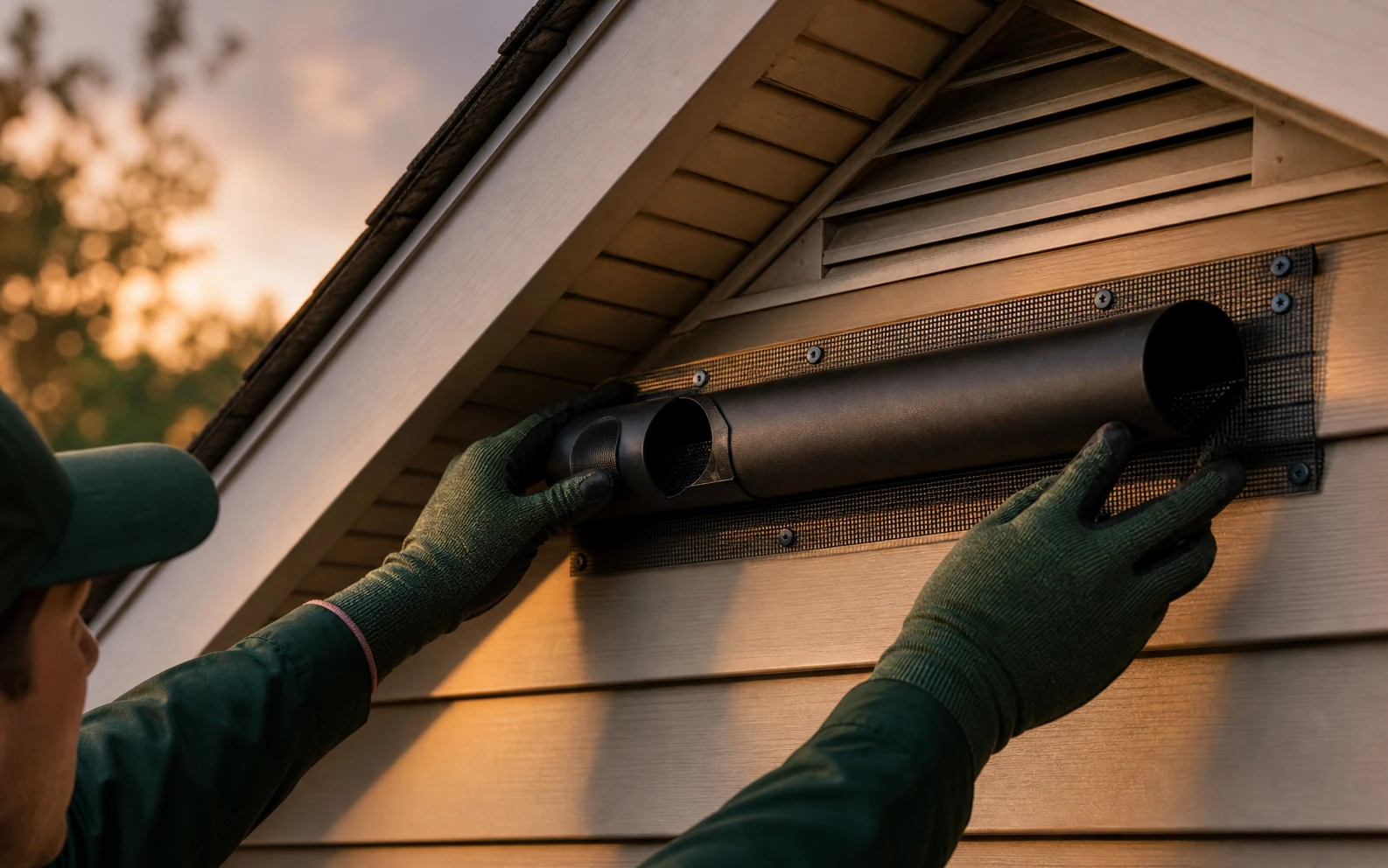
Providers may identify bat entry points, install one-way devices when allowed, wait for vacancy verification, then seal gaps without trapping animals inside.
Eaves, vents, ledges
Coordination for building-focused bird deterrents and bat-sensitive exclusion planning around eaves, vents, ledges, signs, chimneys, and attic access points.
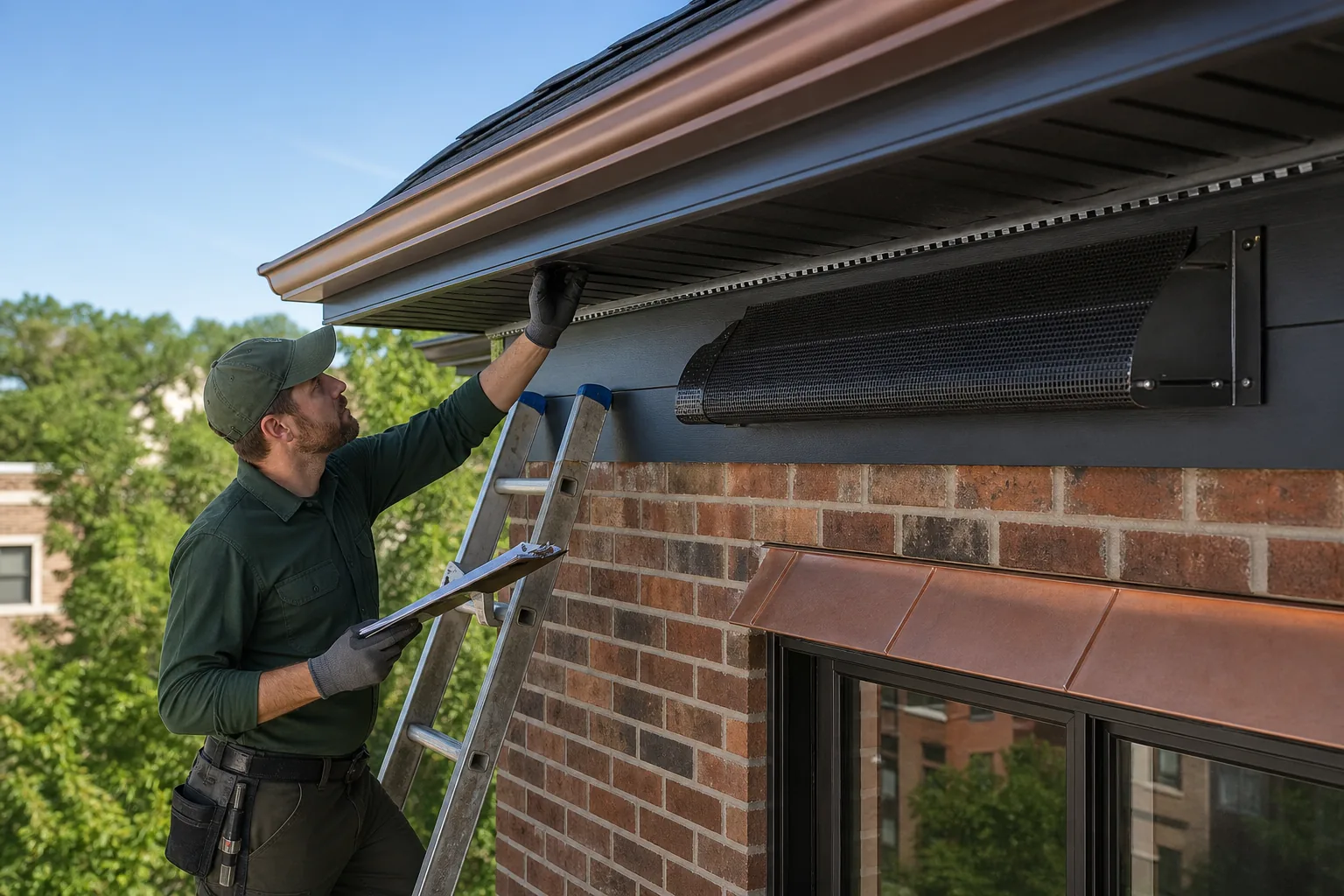
Providers may identify bat entry points, install one-way devices when allowed, wait for vacancy verification, then seal gaps without trapping animals inside.
Depending on the structure, providers may use netting, ledge deterrent track, exclusion screening, vent guards, slope modification, or habitat pressure recommendations.
Cleanup planning can include PPE, containment, removal of nesting material, surface treatment, odor control, and attention to drainage or staining.
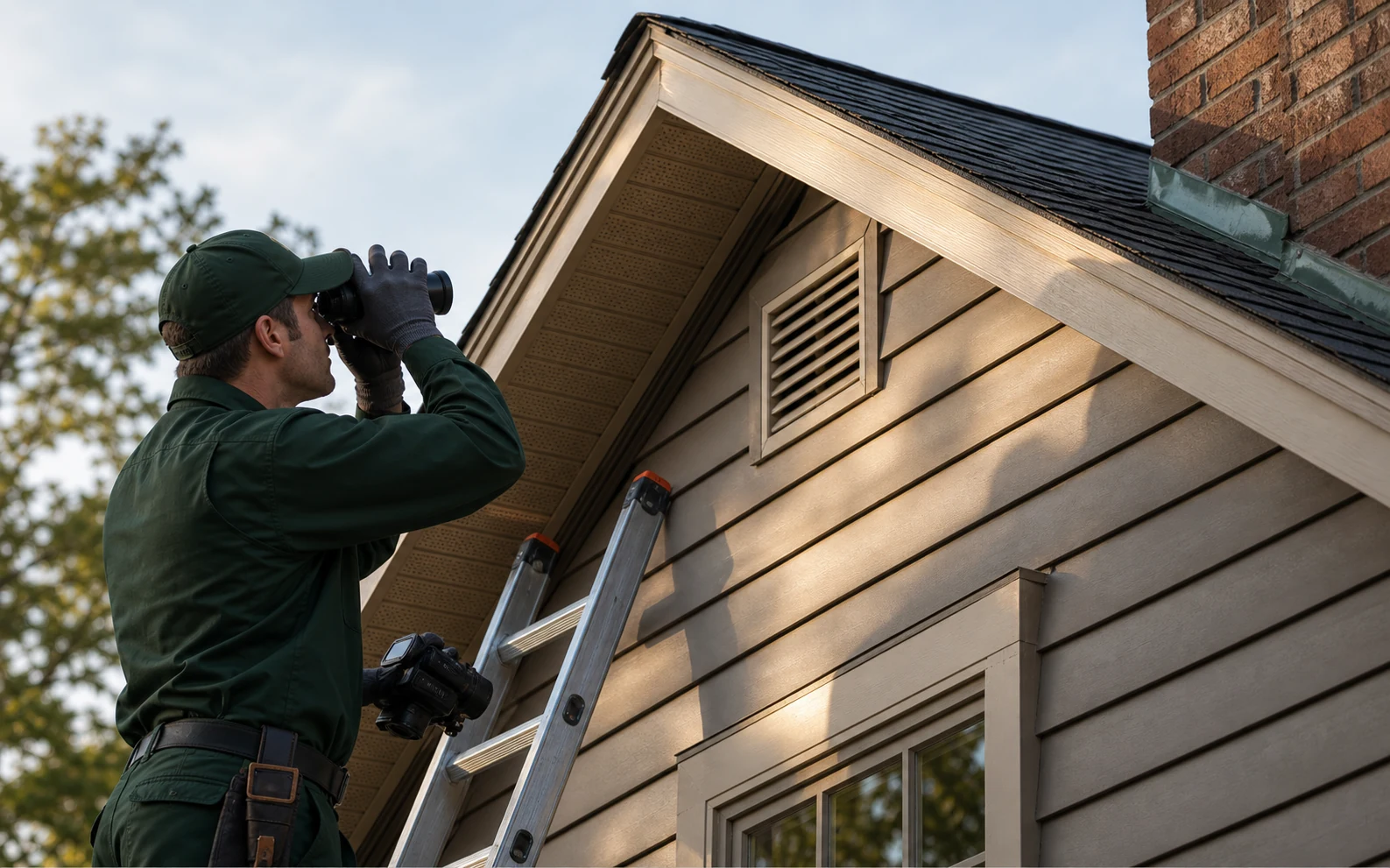
Photos of eaves, gables, vents, signs, awnings, and ledges help determine whether ladders, lifts, or specialty access are needed.
Birds and bats are not handled the same way
For this group, identifying the animal and timing matters as much as the building detail. Active nests, dusk bat exit patterns, guano, ledge pressure, and vent openings can each require a different provider approach.
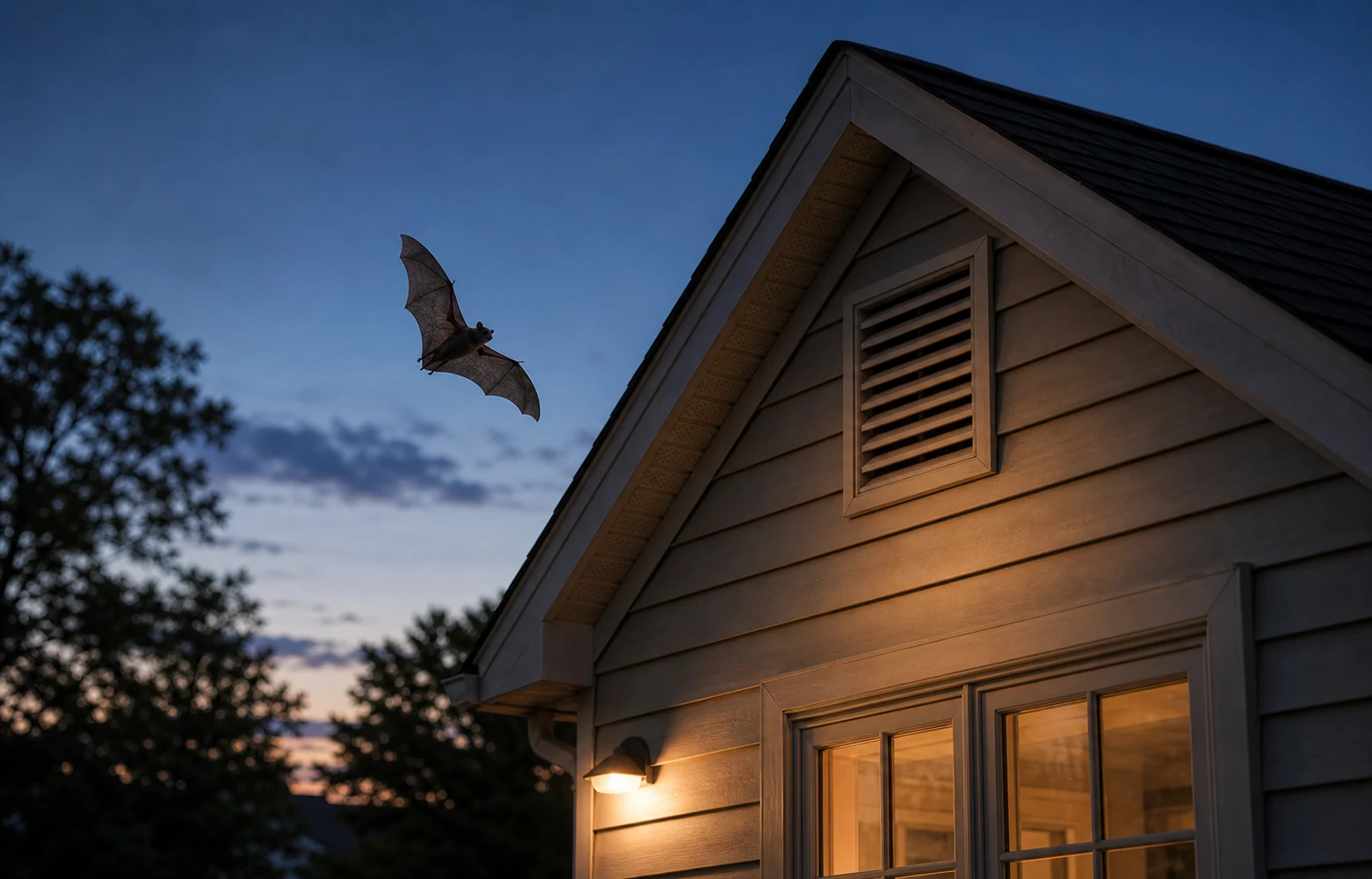
Bats are usually addressed with observation, one-way exclusion timing, and careful sealing after activity is confirmed. Immediate closure can be unsafe or illegal in some seasonal situations.
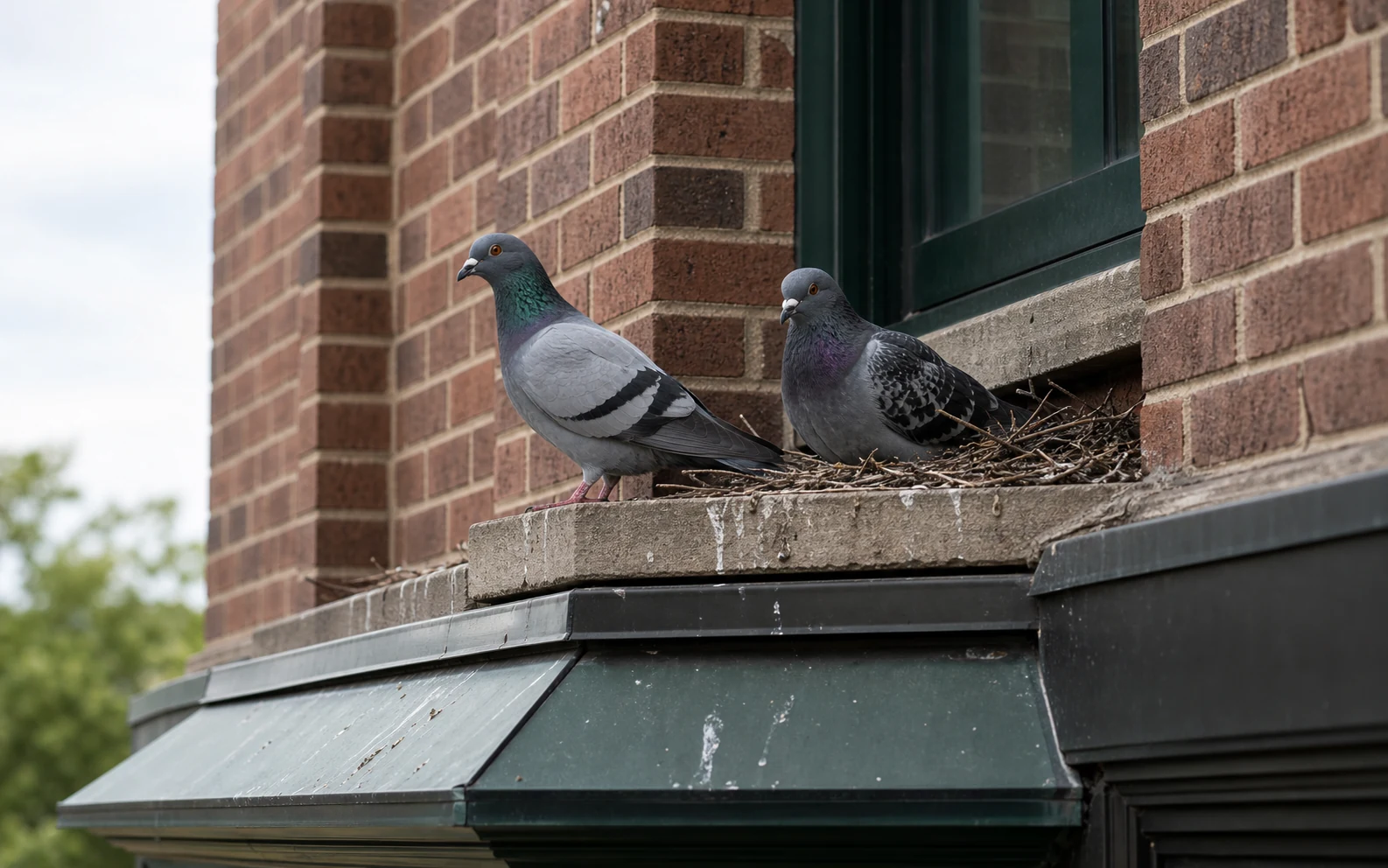
Pigeons and similar birds can create recurring ledge pressure, staining, nesting material, and drainage issues. Providers may recommend netting, low-profile deterrents, cleanup, or access equipment.
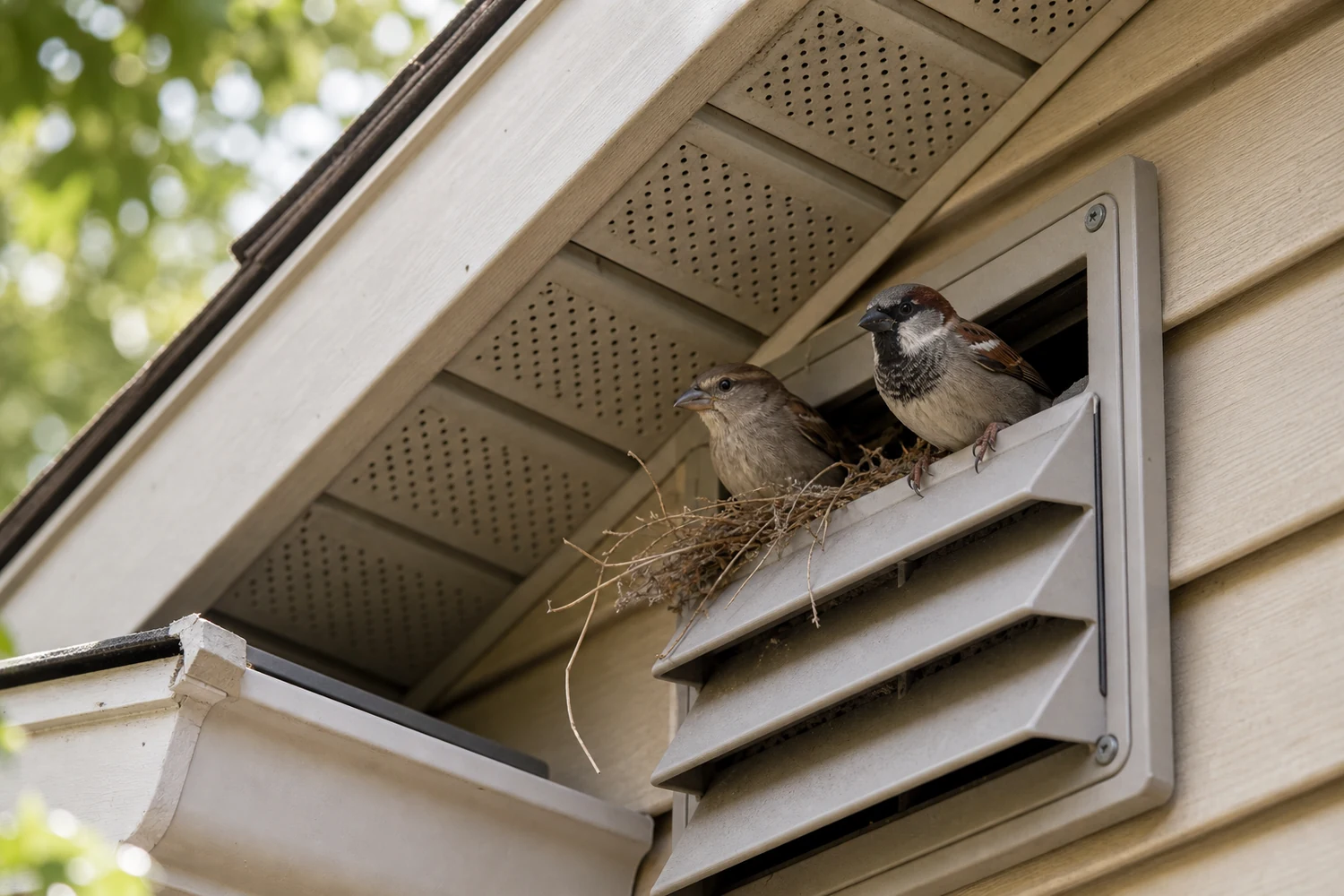
Small birds may use bathroom vents, dryer vents, soffits, and eaves. Timing, active nesting status, vent type, and interior airflow concerns influence whether removal, cleaning, and guards are recommended.
Where timing matters
A provider may need to confirm whether the issue is active roosting, nesting, staining, guano accumulation, or a recurring building access point before selecting netting, deterrent track, one-way devices, or final exclusion.
Eaves, vents, ledges, signs, awnings, chimney areas, gables, and attic returns.
Ladders, lifts, roof pitch, tenant access, parking, and safe hardware installation points.
Guano, nesting material, odor, staining, drainage, and surface treatment may be separate scope items.
Roosts, ledges, and legal timing
Bird and bat issues are often building problems with a timing problem attached. Providers may need to confirm whether animals are nesting, roosting, entering an attic, staining a ledge, or returning to a protected route before any exclusion or deterrent is installed.
Photos from the ground, the time activity is seen, building height, roof pitch, tenant access, and nearby power or sign structures all help providers decide whether the job is ladder-accessible or needs lift planning.
Eaves, vents, chimney gaps, signs, awnings, ledges, solar edges, and gable returns are reviewed for repeated use.
Bat maternity seasons, active nests, protected species, and local rules can change what can be done and when.
Netting, guards, ledge deterrents, one-way devices, screening, and fasteners should fit the building material and exposure.
Quiet building protection
Bat-sensitive devices can allow exit before final sealing when legal and seasonal conditions allow.
Netting, ledge track, guards, screening, and fasteners selected for building surfaces.
Images help providers confirm access needs and avoid guesswork before arrival.
The provider should distinguish active entry, roosting, nesting, staining, and cleanup-only conditions.
Seasonal restrictions and protected wildlife rules should be acknowledged before sealing work.
Roof height, lift needs, ladder setup, parking, and tenant coordination can change pricing.
Netting, one-way exits, guards, or ledge deterrents should be matched to the exact surface.
Photos of the eave, vent, ledge, or sign area help providers confirm access and timing constraints.