Interior sighting triage
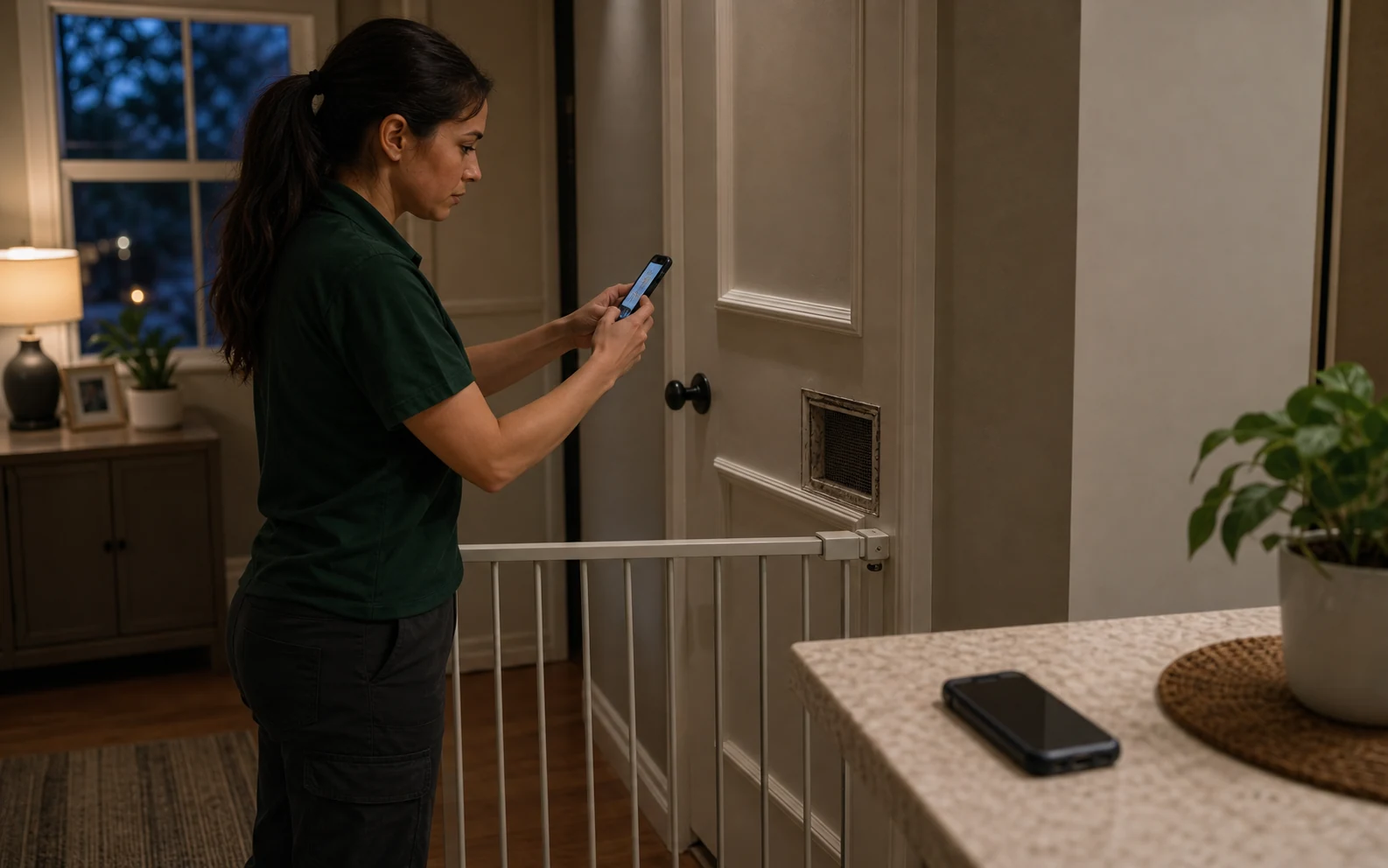
Intake can collect room location, animal description, containment status, pet concerns, exits, photos, and whether anyone had direct contact.
When it feels urgent
Structured triage for urgent animal sightings, active scratching, roofline entry, animals in living spaces, and time-sensitive property concerns.
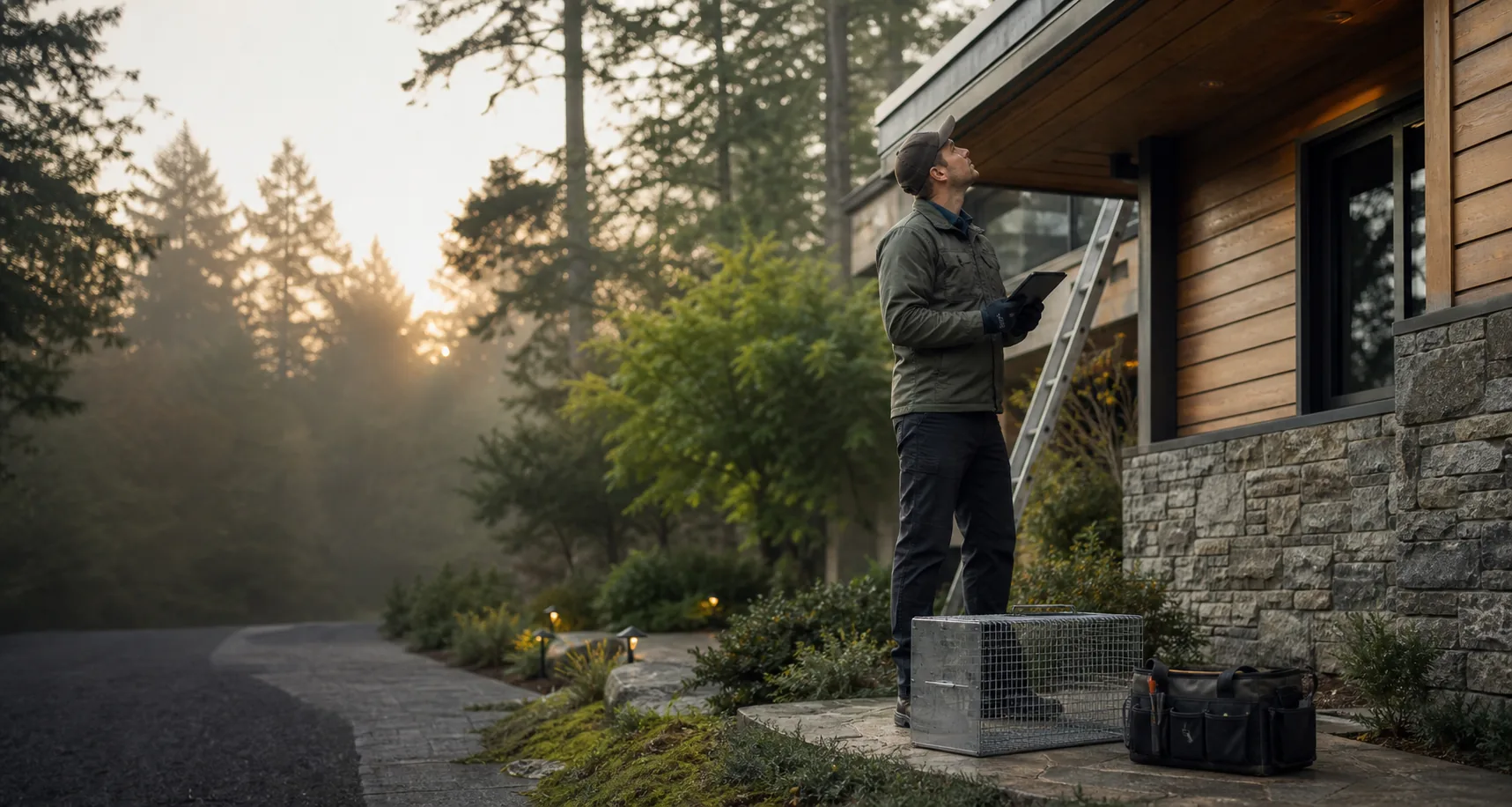
Intake can collect room location, animal description, containment status, pet concerns, exits, photos, and whether anyone had direct contact.
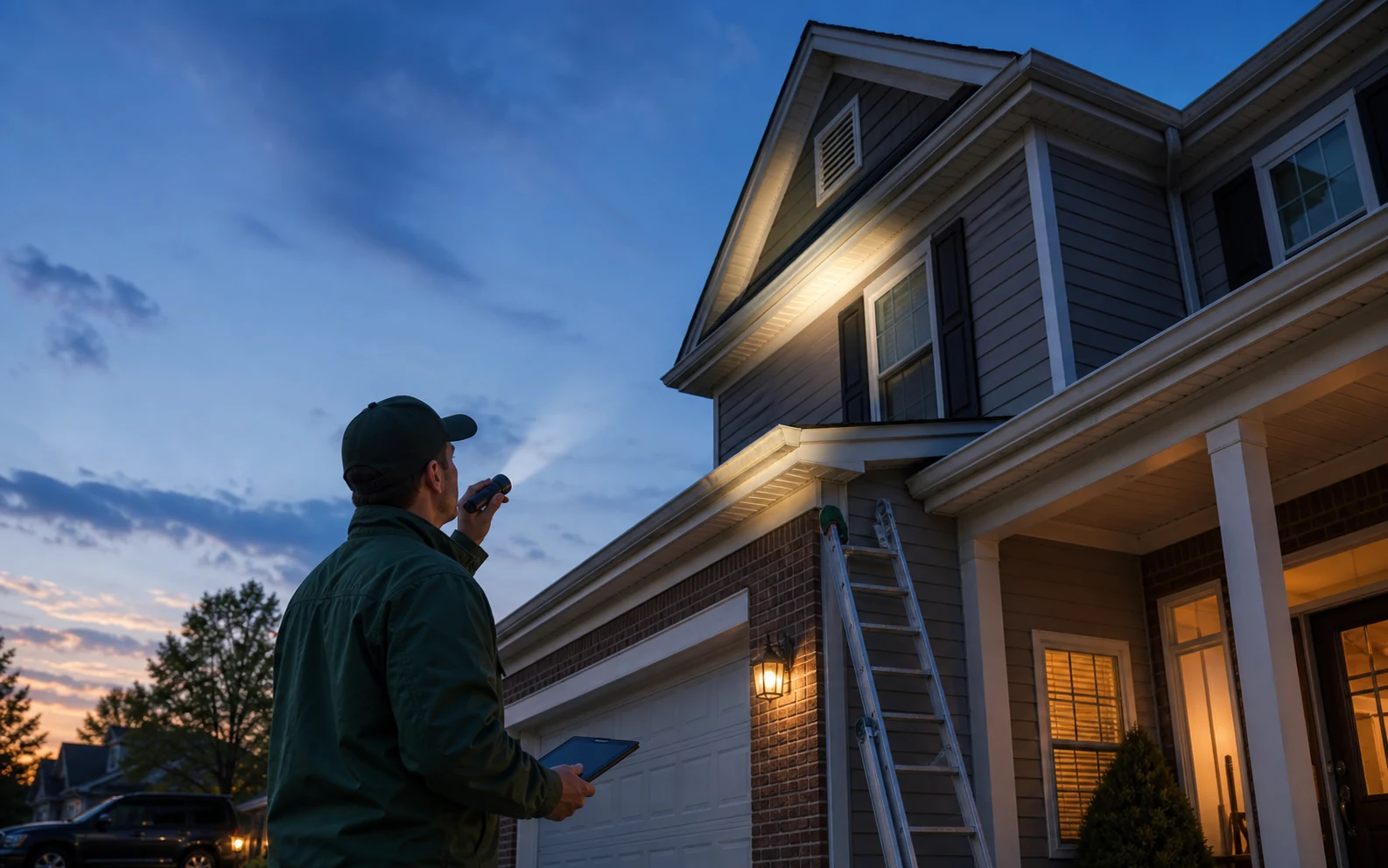
Timing, sound type, exterior photos, roof height, attic access, and recent repair work help providers decide inspection priority.
Driveway clearance, gate codes, tenant contact, attic stairs, crawlspace doors, roof pitch, and ladder setup are gathered before scheduling.
Independent providers confirm response availability, pricing, scope, safety limits, licensing, insurance, warranties, and local requirements.
Urgent does not always mean the same response
Interior sightings, porch encounters, garage snakes, and dusk roofline activity all feel urgent, but they need different handling. Intake helps decide whether to keep distance, contain a room, request provider availability, or call public emergency resources first.
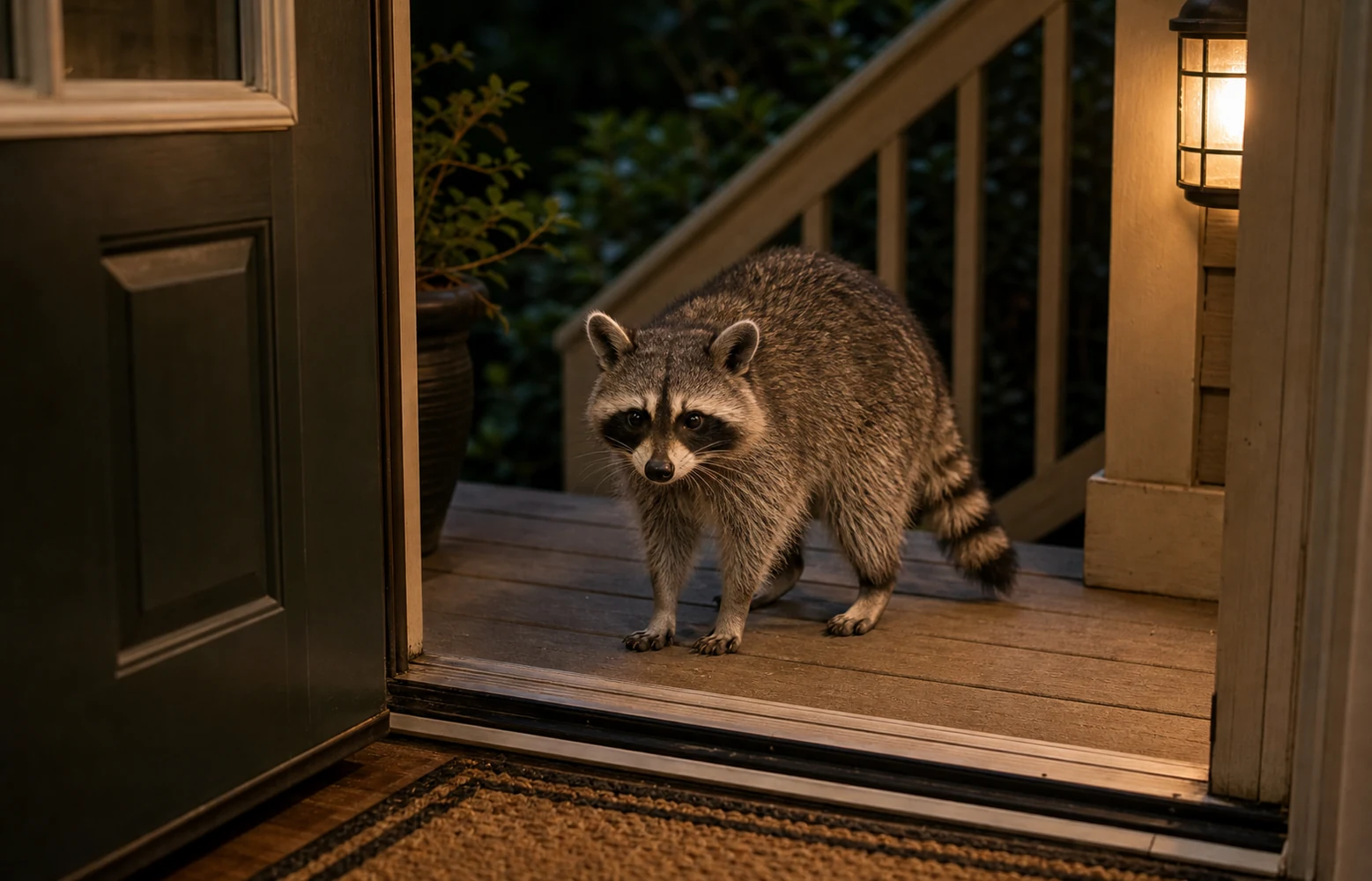
If wildlife is near a porch, garage, or entry door, the first concern is keeping people and pets away while confirming whether the animal is outside, trapped, injured, or entering the home.
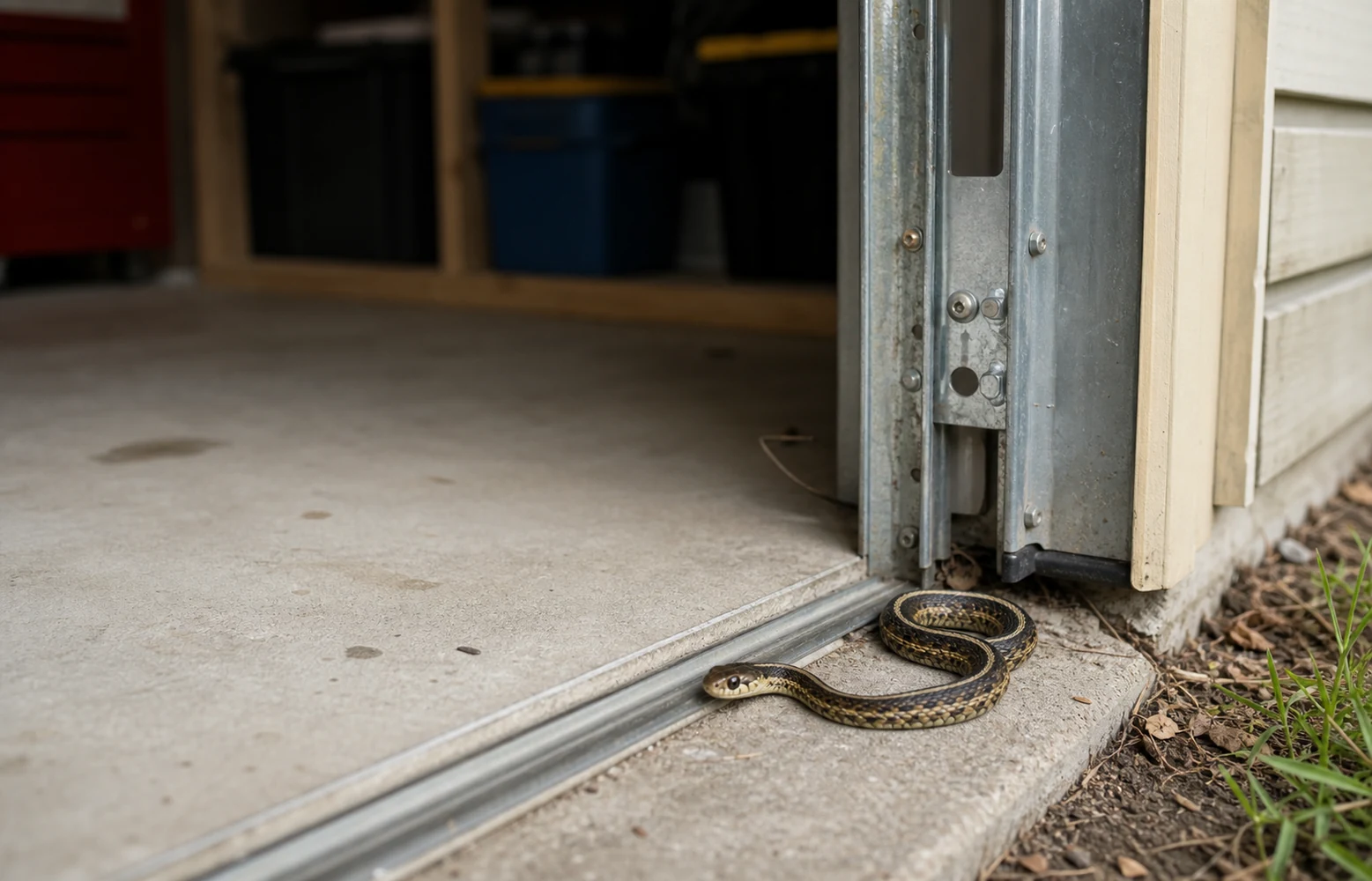
Snake calls require calm distance and identification support. Providers may ask whether the animal is contained, where it entered, and whether garage thresholds or foundation gaps need inspection after removal.
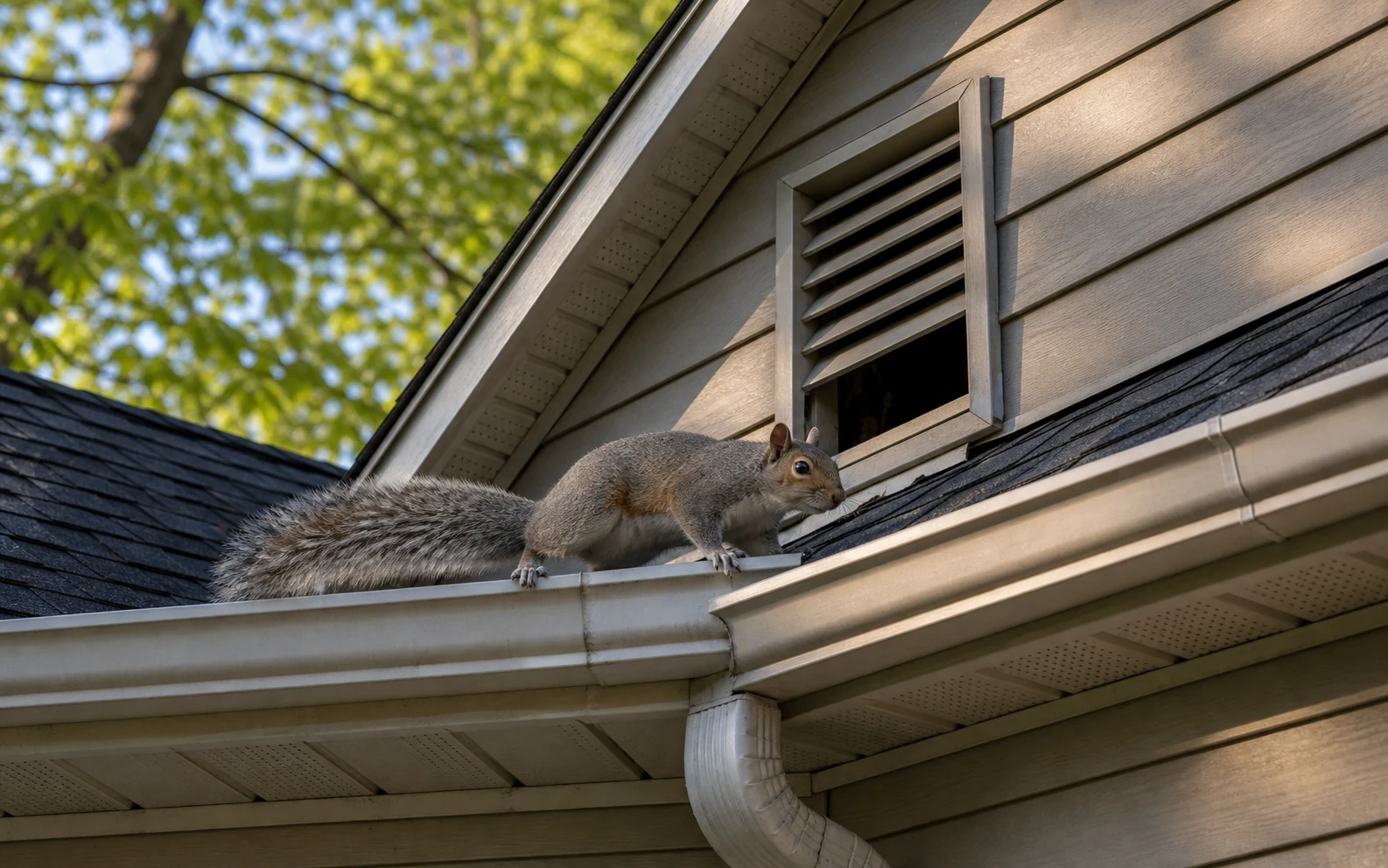
Urgent scratching, thumping, or visible roofline entry may still require inspection timing rather than immediate sealing. Providers need roof height, attic access, sound timing, and exterior photos.
What makes a call urgent
Interior sightings, active noises, animals near living spaces, roofline entry, and odor concerns can all feel urgent. Intake helps sort what can be coordinated and what should go to emergency services first.
Room, attic area, wall, vent, deck, roofline, crawlspace, or exterior opening.
Dawn, dusk, overnight, daytime, repeated sounds, one-time sighting, or active movement.
Keep distance, move pets away, avoid handling wildlife, and call emergency services for immediate danger.
Triage before dispatch
Not every urgent-feeling wildlife situation is the same. An animal inside a living room, scratching in a wall, noises above a nursery, a roofline opening after a storm, and a persistent odor all need different questions before a provider can confirm availability and scope.
Intake helps separate coordination requests from life-safety issues. Bites, direct attack risk, fire, gas, electrical danger, or an aggressive animal threatening people should go to emergency services or the proper public agency first.
Location, animal behavior, direct contact, pet exposure, room containment, and immediate danger are established first.
Ground-level exterior photos, entry points, timing notes, room location, and access details help providers respond with fewer unknowns.
Availability, ladder access, species handling, cleanup needs, and safety limitations are confirmed before the work is accepted.
Stay clear, gather details
Use phone intake when the animal is in a living area or access details are complex.
Exterior entry points, droppings, tracks, damage, and access photos speed triage.
Do not handle wildlife, corner animals, or perform risky roof or attic work yourself.
Whether people, pets, electrical systems, or living spaces are at immediate risk.
Room, attic, wall, roofline, vent, crawlspace, deck, garage, or exterior opening.
Gate codes, tenants, roof height, attic stairs, crawlspace doors, parking, and ladder setup.
Response time, scope, pricing, licensing, insurance, and emergency exclusions should be clear.
Use intake to share the location, timing, photos, and safety concerns. For immediate danger, call emergency services first.