Contamination assessment
Providers may inspect droppings, urine staining, nesting material, damaged insulation, chewed wiring indicators, odors, moisture, and airflow conditions.
After animals are gone
Coordination for post-intrusion assessment, cleanup planning, contaminated material removal, deodorizing, air-quality support, insulation review, and access prevention.
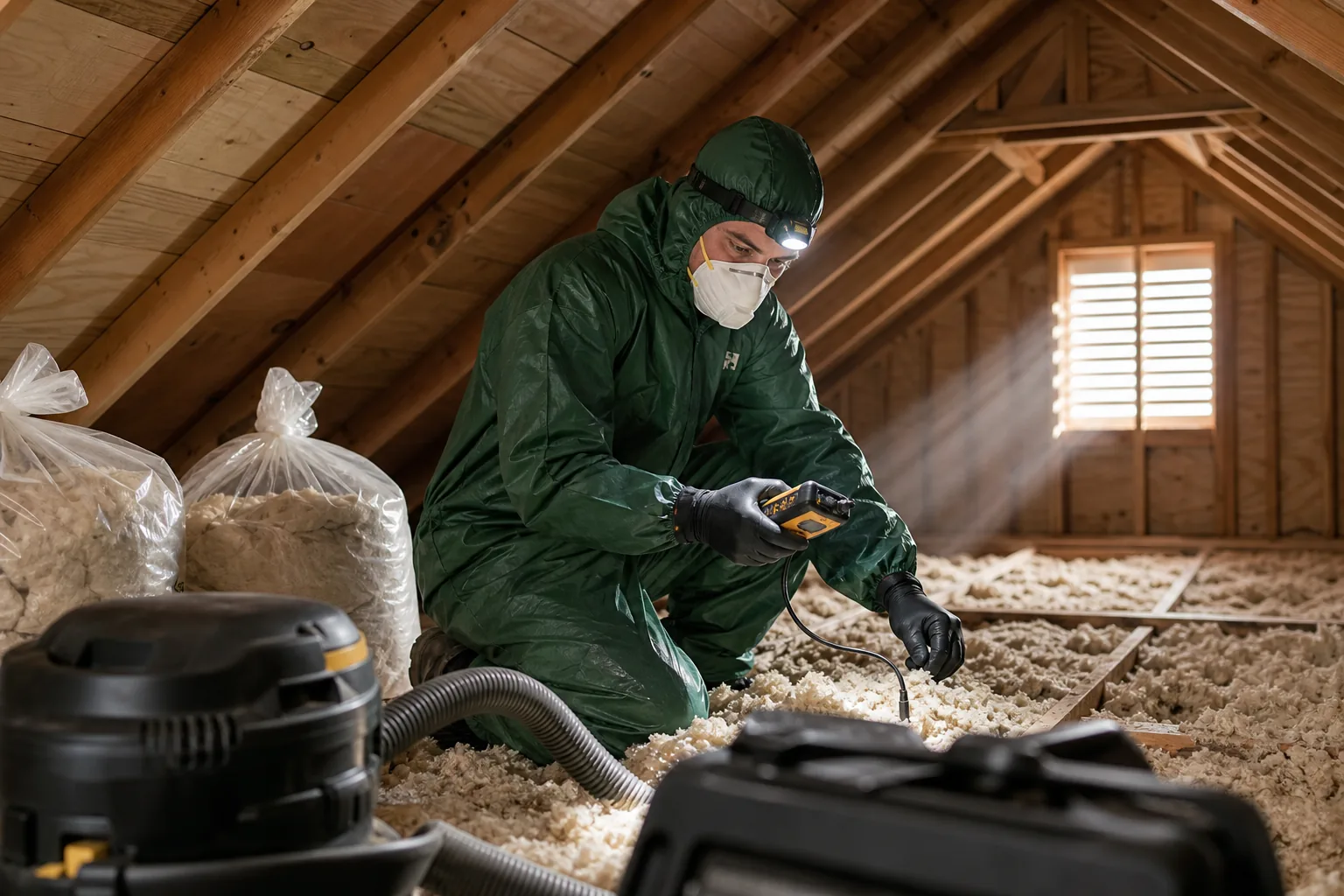
Providers may inspect droppings, urine staining, nesting material, damaged insulation, chewed wiring indicators, odors, moisture, and airflow conditions.
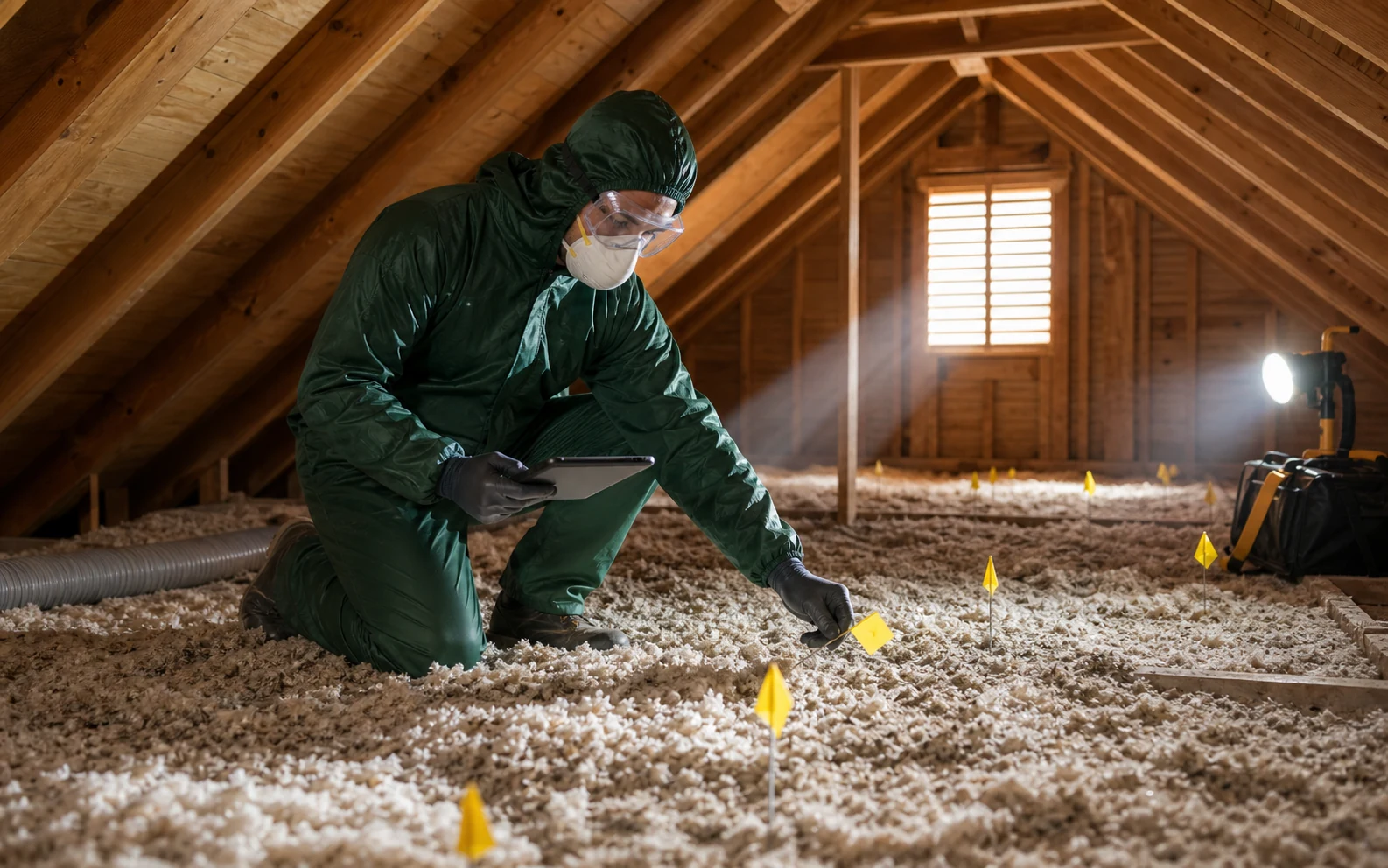
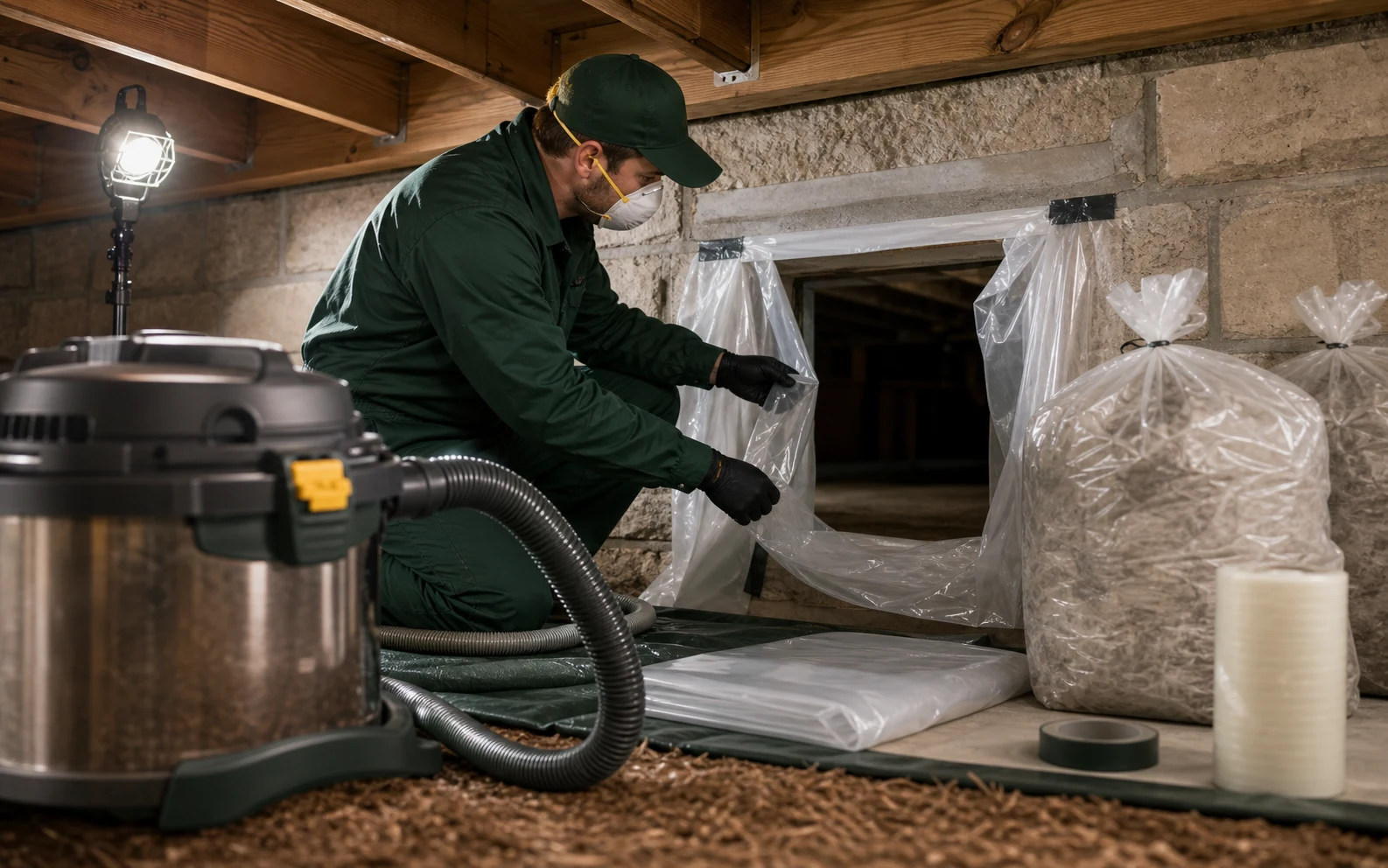
Possible methods include PPE, bagging of nesting material, HEPA vacuuming, surface sanitizing, controlled removal paths, and photo documentation of affected areas.
Providers may recommend spot removal, broader insulation replacement, vapor barrier attention, access hatch sealing, or ventilation review depending on severity.
Restoration should connect back to exclusion: vents, gaps, soffits, roof returns, crawlspace doors, and foundation openings are reviewed to reduce recurrence.
Animals behind attic damage
Attic and crawlspace cleanup is not one fixed package. Animal size, nesting behavior, urine routes, insulation depth, ventilation, and whether the entry is still open all change what a provider should inspect and quote.
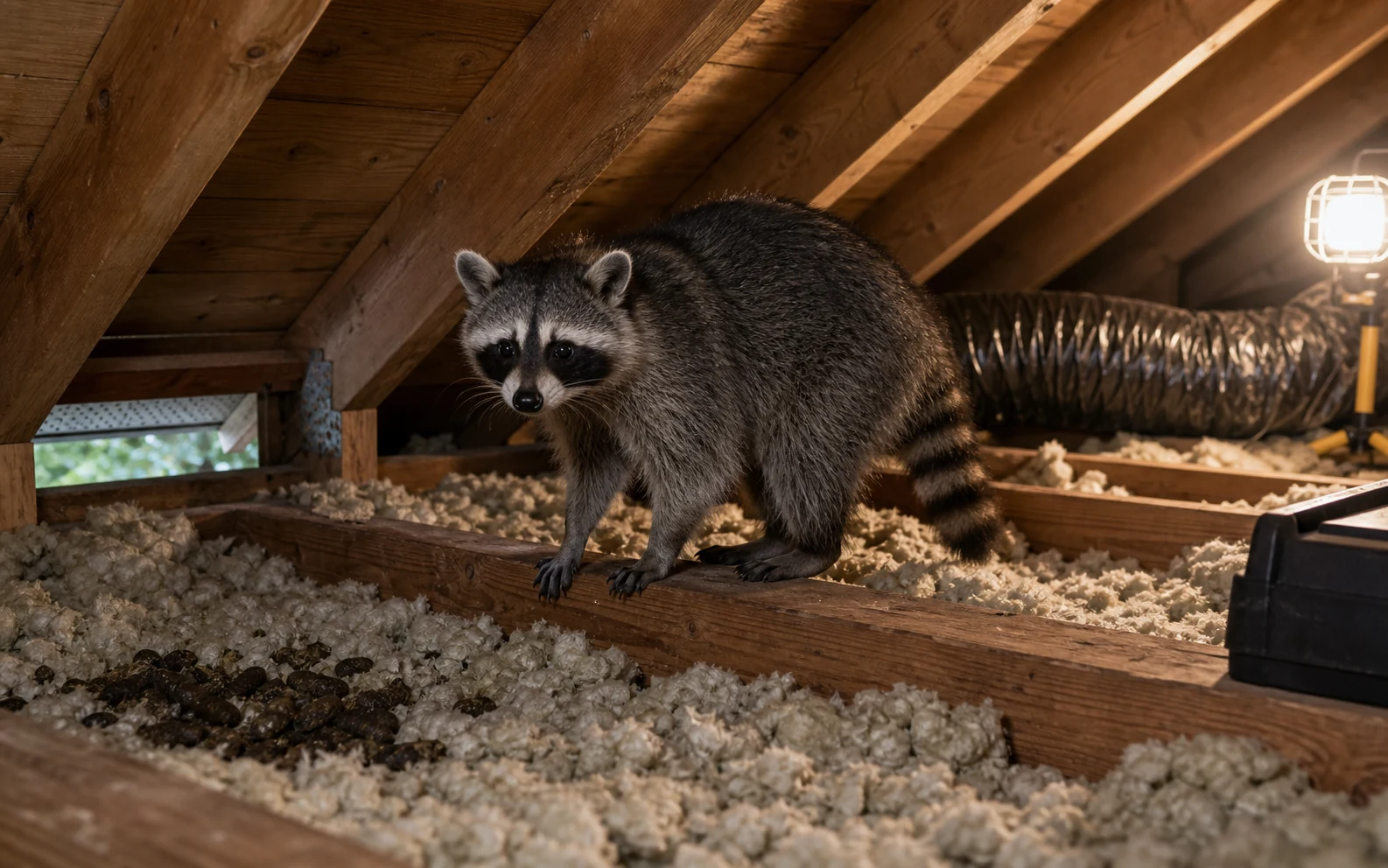
Raccoons can compress insulation, leave larger droppings, damage vents, and create concentrated nesting areas. Cleanup may need to be paired with roofline exclusion and a check for young animals.
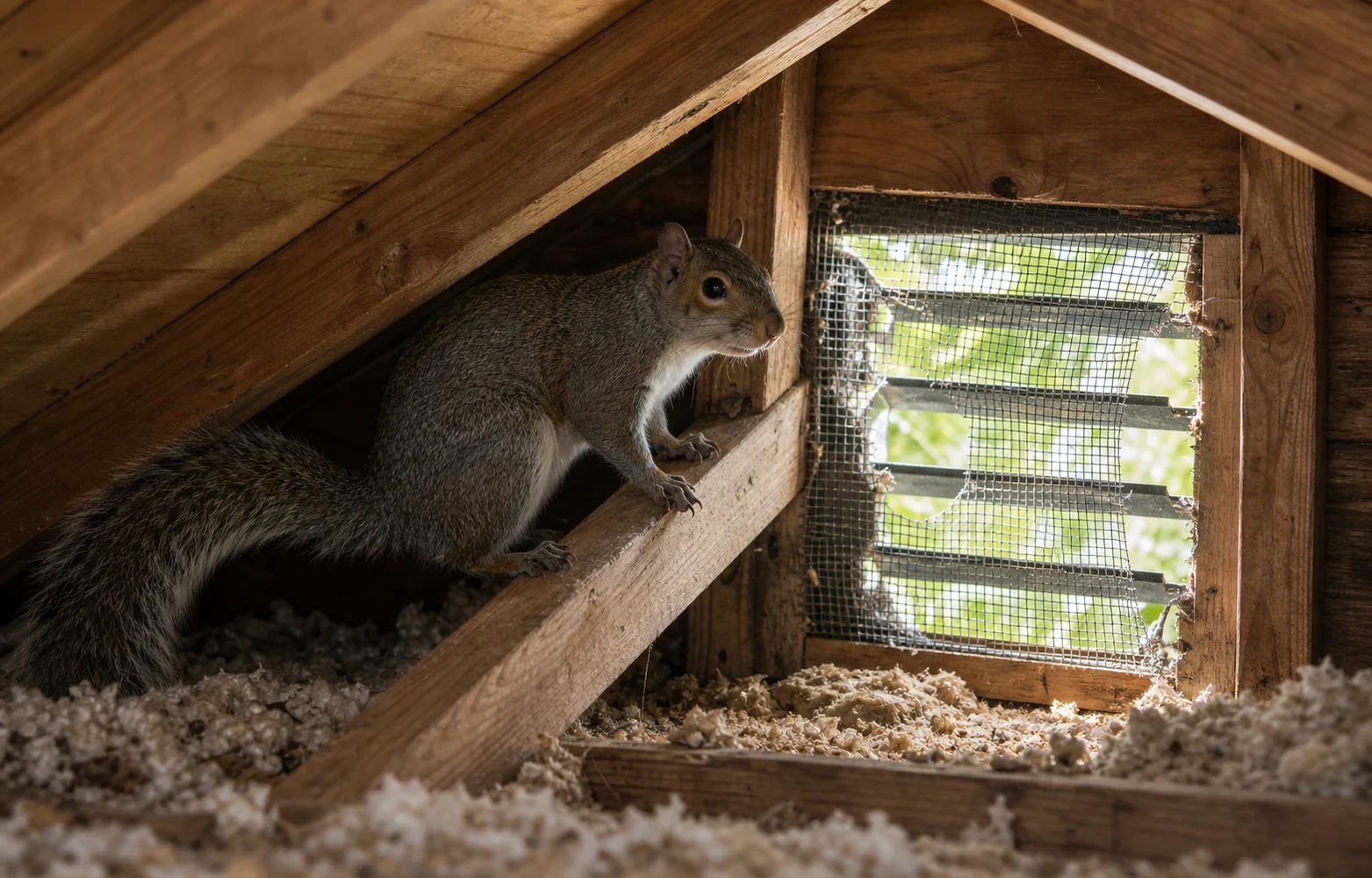
Squirrels can chew around gable vents, fascia, and small openings. Providers may look for daylight at gaps, nesting material, wire-chew indicators, and repeated daytime movement.
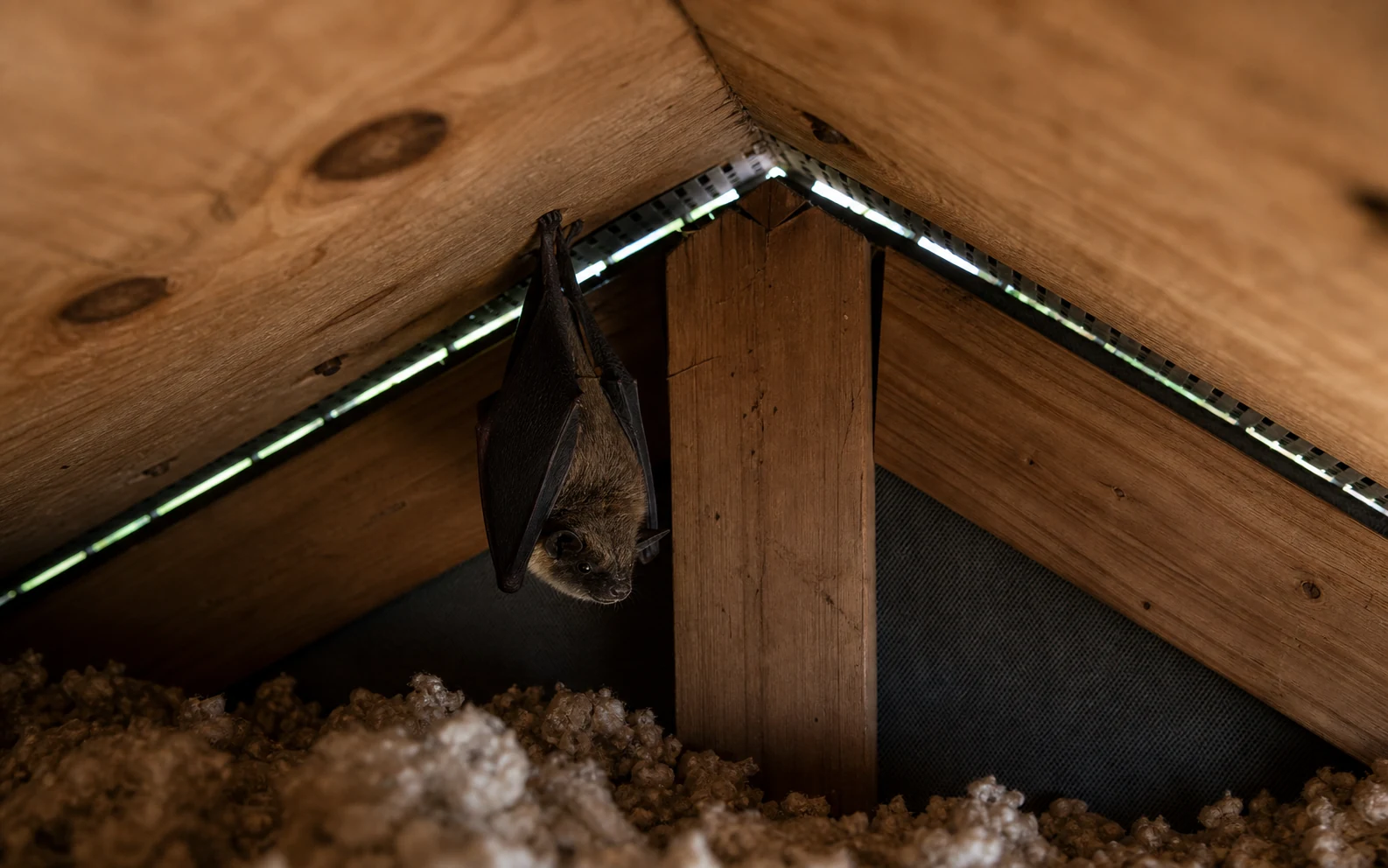
Bat-related attic work is highly timing-sensitive. Guano, staining, dusk exit patterns, and legal restrictions can affect whether cleanup, one-way devices, or delayed exclusion is appropriate.
What cleanup depends on
Restoration planning works best when providers know whether animals are still active, where access points are, how much material is affected, and whether odor, moisture, insulation, or ventilation issues are also present.
Droppings, urine staining, nesting material, damaged insulation, and storage-area exposure.
PPE, sealed bags, HEPA equipment, surface treatment, and safe movement through the home.
Cleanup should connect to vents, soffits, crawlspace doors, roof returns, and foundation gaps.
Hidden-space recovery
Attics and crawlspaces can collect droppings, urine, nesting debris, damaged insulation, odor, and airflow issues after wildlife activity. A provider may recommend anything from localized cleanup to broader insulation removal, but the scope should be tied to documented contamination and access conditions.
The most useful intake information is specific: where the access hatch is, whether sounds are still active, whether HVAC or storage is nearby, whether moisture is present, and whether photos show a small area or a larger trail through the insulation.
Providers look for nesting paths, staining, odor concentration, damaged insulation, vents, ductwork, wiring concerns, and travel routes.
PPE, sealed bags, drop protection, HEPA equipment, and careful movement help keep contaminated material from spreading into finished spaces.
Deodorizing, insulation recommendations, and surface treatment are most useful when the original entry points are also addressed.
Restoring hidden spaces
Gloves, respirators, suits, sealed bags, and controlled movement through the home.
Vacuuming and filtration equipment may be used for contaminated loose material.
Enzyme or odor-neutralizing products can be matched to surface and source conditions.
The provider should describe whether cleanup is spot-based, room-wide, or full-space.
Bagging, disposal, HEPA use, and surface treatment should be clear before work starts.
Removal and replacement should match contamination, access, and ventilation conditions.
Cleanup should be coordinated with exclusion notes so the space does not become active again.
Share access details, photos, and whether animals are still active before any cleanup scope is confirmed.